
During cooling, your outdoor air-conditioning unit is supposed to release heat. Warm or hot air leaving the fan is usually expected because the system is moving heat from your home outdoors. Sunlight can also make the metal cabinet feel surprisingly hot.
However, heat accompanied by poor cooling, a stalled fan, a burning smell, unusual noise, repeated shutdowns, or a tripping breaker deserves attention. Possible causes include a dirty condenser coil, restricted airflow, a fan or electrical fault, incorrect refrigerant charge, or a compressor problem.
The useful question is which part feels hot and what else the system is doing. Touch alone cannot tell you whether the air conditioner is overheating.
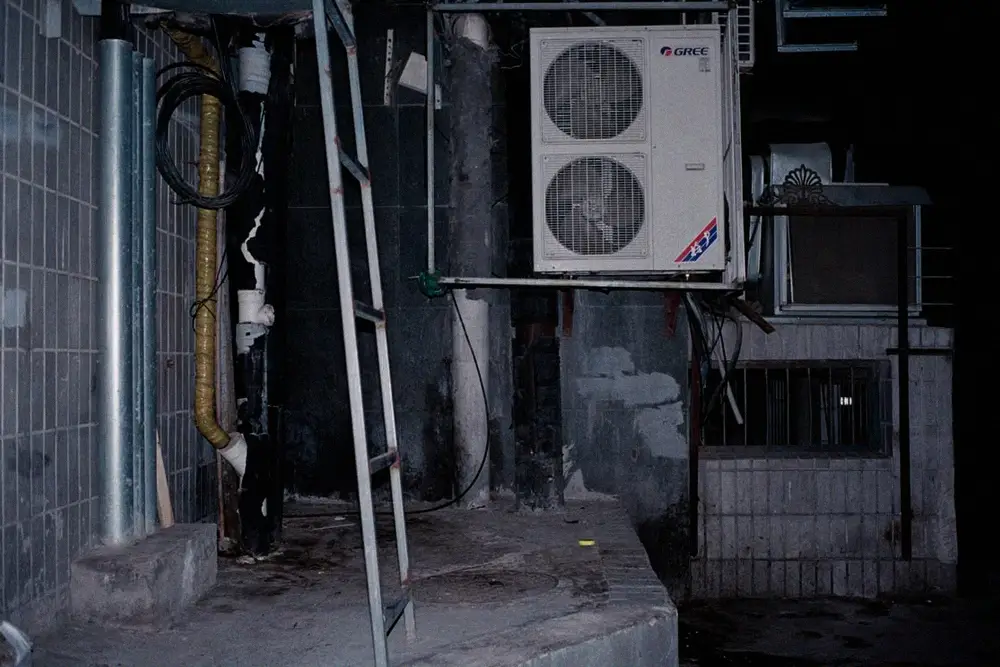
Why the Outdoor Unit Produces Heat
An air conditioner transfers heat through a closed refrigerant circuit. The indoor evaporator absorbs heat from household air. The compressor raises the refrigerant’s pressure and temperature, and the outdoor condenser transfers that heat to the surrounding air.
The outdoor unit must reject both the heat removed from your home and energy added through compressor operation.
As Carrier’s explanation of air-conditioning operation describes, the compressor sends refrigerant to the condenser, where heat is released outdoors.
That is why the air leaving an operating condenser normally feels warmer than the air entering it. A hot afternoon can make the difference feel particularly noticeable.
This article focuses on cooling mode. A heat pump operating in heating mode or defrost follows different patterns; those conditions should be evaluated using the equipment’s instructions.
Which Part of the Unit Feels Hot?
Hot air leaving the fan
Warm discharge air is generally expected during active cooling. By itself, it does not establish a fault.
Pay more attention if cooling inside has declined, the fan sounds abnormal, or the outdoor equipment keeps stopping and restarting.
A hot metal cabinet
Direct sunlight can heat the cabinet even when the air conditioner is off. Surface color, solar exposure, nearby walls, and outdoor temperature all affect what you feel.
A cabinet temperature does not reliably represent compressor temperature or refrigerant pressure.
Hot refrigerant tubing
Different sections of the refrigeration circuit operate at different temperatures. Some tubing can become hot enough to cause a burn.
Do not remove insulation or touch exposed piping to diagnose the system. A technician measures the relevant line temperatures and compares them with operating pressures and manufacturer data.
A hot compressor
The compressor normally produces heat, but excessive temperature can indicate an operating problem. Its location inside the cabinet makes this a professional inspection rather than a homeowner touch test.
There is no single “too hot to touch” threshold that diagnoses every compressor or outdoor unit.
Normal Heat vs Warning Signs
| Observation | What It May Mean | Recommended Response |
|---|---|---|
| Warm discharge air with normal indoor cooling | Normal heat rejection during cooling | Monitor performance and maintain clear airflow. |
| Cabinet feels hot in direct sunlight | Solar heating may be contributing | Evaluate cooling and operating behavior rather than cabinet temperature alone. |
| Weak outdoor airflow and declining cooling | Coil obstruction, fan trouble, or another performance fault | Arrange inspection of the condenser and fan. |
| Fan stops while the compressor appears to keep running | Possible loss of required condenser airflow | Turn cooling off and request service. |
| Repeated shutdowns or breaker trips | A protection device or electrical fault may be involved | Leave the system off; do not repeatedly reset it. |
| Smoke, sparks, or a burning smell | Possible electrical damage or fire | Keep away, stop operation if safe, and seek urgent assistance. |
These observations help prioritize the response; they do not identify the failed component. Variable-speed equipment can change fan speed normally, so a slower fan alone is not proof of failure.
Common Reasons an Outdoor AC Unit Overheats
1. The condenser coil is dirty
Air must pass through the condenser’s fins for heat to leave the refrigerant. Dust, lint, grass clippings, seeds, and other debris can interfere with that process.
A heavily obstructed coil may force the system to operate at higher condensing temperatures and pressures. Cooling can decline even while the equipment runs longer.
The ENERGY STAR maintenance checklist explains that dirty coils reduce cooling ability, increase runtime and energy use, and can shorten equipment life.
Dirt may also collect between coil layers, where it is difficult to see from outside. For more detail, read Can Dirty AC Coils Cause Low Cooling Performance?.
2. Landscaping or an enclosure restricts airflow
A clean coil still needs an adequate supply of outdoor air.
Problems can develop when shrubs grow against the cabinet, storage items block the intake, or a decorative enclosure traps discharge air. An operating unit should never be covered.
Hot air that cannot escape may be drawn back into the coil. This makes heat rejection more difficult because the incoming air is already warmer than the surrounding outdoor air.
Follow the equipment manufacturer’s clearance requirements, including overhead clearance. A shade structure that restricts airflow can make conditions worse.
3. The condenser fan is malfunctioning
The outdoor fan moves air through the coil. A faulty motor, damaged blade, electrical connection, control, or capacitor on applicable equipment can reduce that airflow.
Possible clues include buzzing, irregular starts, scraping noises, or a fan that stops while cooling is still requested.
Carrier’s outdoor-fan troubleshooting guidance identifies motor and capacitor faults among the possible causes and notes that capacitors can retain electrical charge after power is removed.
Do not push the blade with a stick, reach through the grille, or open the electrical compartment. A motor can restart unexpectedly.
4. Extreme outdoor heat exposes an existing problem
An air-cooled condenser must transfer heat to outdoor air. As outdoor temperature rises, that task becomes more demanding.
Longer operation on a very hot day may be normal, particularly for equipment designed to modulate its output. However, extreme heat can expose a dirty coil, weak fan, installation problem, or other fault that was less noticeable during mild weather.
Compare the unit’s behavior with its usual performance under similar conditions. Repeated shutdowns and abrupt cooling loss should not be dismissed as ordinary summer operation.
5. Refrigerant charge or flow is incorrect
Both undercharging and overcharging can create harmful operating conditions, but they do so differently.
An overcharge may increase condenser liquid inventory and contribute to elevated condensing pressure. An undercharge may produce a starved evaporator and high suction-gas superheat, which can contribute to elevated compressor discharge temperature in some systems.
A restriction or faulty metering device can produce overlapping symptoms.
The Department of Energy’s air-conditioner diagnostic guideline describes evaluating airflow, temperatures, superheat, subcooling, and other conditions to distinguish charge problems from different faults.
A hot outdoor unit is not enough evidence to add refrigerant. Freon Shop’s guide to overcharged and undercharged AC systems explains why several measurements must be considered together.
6. An electrical or compressor fault is developing
Damaged connections, inappropriate voltage, motor problems, or compressor wear may create abnormal heating or interrupt operation.
These faults require professional testing. The fact that equipment restarts after cooling down does not show that the problem has resolved; a protective device may simply have reset.
Check Indoor Performance Too
The temperature of the outdoor cabinet tells only part of the story. Indoor performance helps establish whether the system is still doing its job.
Notice whether:
- Rooms reach their usual temperature.
- Airflow has weakened across several rooms.
- The home feels unusually humid.
- Cooling stops abruptly before the thermostat is satisfied.
- The change started suddenly or followed recent service.
- Any indoor equipment displays an error code.
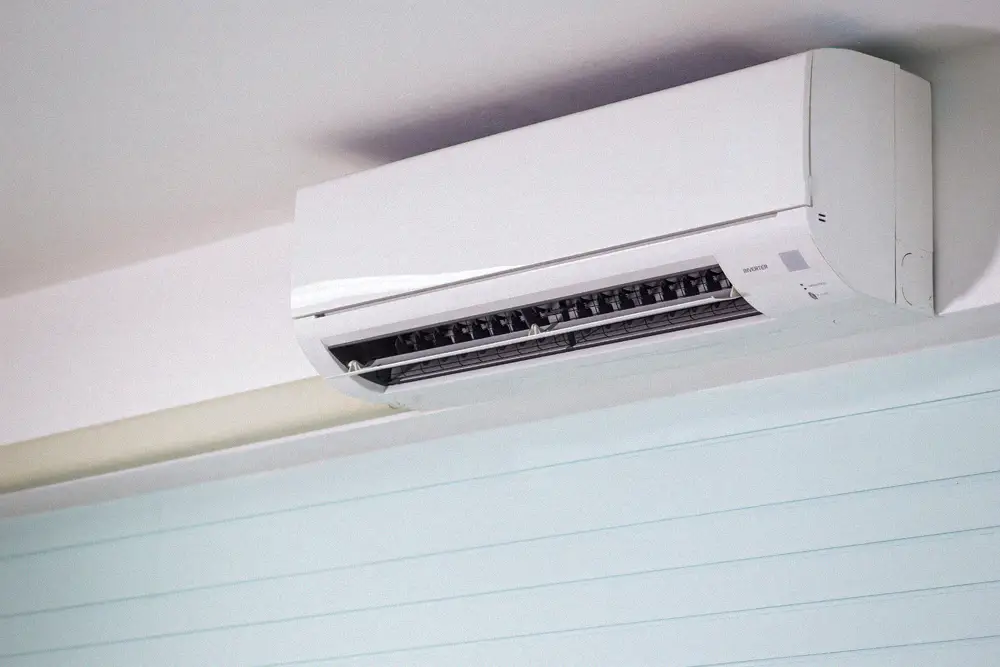
A filter or indoor airflow problem can reduce cooling without being the primary cause of hot outdoor discharge air. The technician should consider both sides of the system rather than treating every comfort complaint as a condenser problem.
What You Can Check Safely
Start with observations that do not require opening the equipment.
- Confirm the operating mode. Check that the thermostat is calling for cooling.
- Look for warning signs. Burning smells, smoke, damaged blades, repeated trips, or abnormal stops warrant service.
- Inspect the surrounding area. Note blocked intake or discharge paths, vegetation, and objects against the cabinet.
- Check the accessible indoor filter. Clean or replace it according to the equipment instructions.
- Record the symptoms. Note the weather, runtime, indoor temperature, noises, and any error code.
- Arrange service if performance has changed. Provide the technician with the model number and recent repair history.
Keep hands and tools outside the grille. Turn off and isolate electrical power before any manufacturer-approved cleaning or work near moving components; switching off the thermostat alone does not make internal electrical parts safe.
The DOE’s home-cooling maintenance guidance recommends keeping debris away from split-system equipment and using a professional when work goes beyond basic maintenance.
Should You Spray Water on the Outdoor Unit?
Do not use a hose as a routine workaround for suspected overheating. Temporary cooling does not repair a failed fan, electrical fault, blocked coil, or incorrect charge.
Cleaning procedures depend on the equipment. Where rinsing is permitted, follow the manufacturer’s directions and keep water away from electrical components. Avoid pressure washers and unapproved chemicals.
If the unit has smoke, a burning smell, damaged wiring, or another electrical warning sign, keep away and request assistance rather than spraying it.
What a Professional Diagnosis Should Include
The technician should identify which component is hot and measure its condition under the manufacturer’s permitted test conditions.
Relevant checks may include condenser cleanliness, fan operation, airflow clearance, hot-air recirculation, voltage, electrical connections, compressor current, refrigerant pressures, and line temperatures.
There is no universal pressure or surface-temperature target for every model. The guide to understanding AC refrigerant pressure explains how load, weather, airflow, and equipment design affect readings.
If refrigerant work is necessary, it should be performed by a qualified technician with the appropriate certification. The EPA’s Section 608 requirements cover technicians whose stationary-equipment service work could release regulated refrigerants.
Frequently Asked Questions
Is hot air coming out of the outdoor AC unit normal?
Yes, during cooling. The condenser releases heat outdoors. Hot discharge air becomes more concerning when accompanied by poor cooling, abnormal fan operation, unusual smells, or repeated shutdowns.
How hot is too hot for an outdoor unit?
There is no single homeowner touch threshold. Cabinet temperature, discharge-air temperature, refrigerant-line temperature, and compressor temperature are different measurements. A technician must compare the relevant readings with the equipment specifications.
Can low refrigerant make the compressor hot?
It can contribute to excessive discharge temperature under some conditions. However, a hot compressor does not prove low charge. Airflow, electrical, metering, and other faults must also be evaluated.
Should I turn off cooling if the outdoor fan stops?
If the fan has unexpectedly stopped during active cooling while the compressor appears to continue running, turn cooling off and request service. Equipment controls vary, so normal fan modulation or a heat-pump defrost sequence should not be confused with failure.
Will lowering the thermostat cool the outdoor unit?
No. A lower setting will not correct an overheating fault and may extend the cooling demand. Leave malfunctioning equipment off when warning signs are present.
Does an overheating unit need replacement?
Not necessarily. The cause might be an obstruction or a repairable fan or electrical problem. A major compressor failure calls for a broader repair-versus-replacement evaluation based on equipment condition, warranty, and the complete estimate.
When to Arrange Service
Warm outdoor discharge air with normal indoor comfort is usually consistent with ordinary cooling operation. A sudden change in performance, a stalled fan, repeated shutdowns, unusual noise, or electrical warning signs calls for further attention.
Record what the system is doing, keep its airflow paths clear, and have the underlying fault diagnosed before any refrigerant or parts are added.