
Extreme heat waves can sharply increase HVAC refrigerant demand across the United States—but not because properly operating air conditioners consume refrigerant as they run. Refrigerant circulates inside a closed system and should remain there unless a leak, service error, damaged component, or incorrect installation causes a loss.
The real demand increase comes from service activity. During a heat wave, air conditioners and refrigeration systems operate longer, weak equipment begins to fail, existing leaks become easier to notice, and thousands of customers may request repairs at the same time. Contractors then need refrigerant, replacement components, recovery cylinders, qualified technicians, and transportation capacity within a compressed period.
This can create a temporary regional supply squeeze even when refrigerant remains available elsewhere in the country.

Heat Waves Create a Chain Reaction in the HVAC Market
Heat affects refrigerant demand through several connected stages.
First, buildings gain heat more rapidly through roofs, walls, windows, ventilation, air leakage, occupants, lighting, and equipment. Air conditioners must remove that added heat while their outdoor condensers reject it into hotter surrounding air.
Second, cooling cycles become longer. Properly sized equipment may operate almost continuously near its design conditions, while undersized, dirty, leaking, or poorly maintained systems struggle to satisfy the thermostat.
Third, latent problems become urgent. A marginal capacitor, weak condenser fan, partially clogged coil, small refrigerant leak, incorrect charge, or damaged compressor may not be obvious during mild weather. Sustained high temperatures can expose the resulting loss of capacity.
Finally, the failures occur across an entire region. Instead of receiving a manageable number of calls, contractors may face a sudden surge involving residential AC, commercial buildings, restaurants, supermarkets, cold storage, and other cooling applications.
Heat Waves Are Becoming More Important for Seasonal Planning
Heat-wave exposure is not limited to traditionally hot states.
The EPA’s Climate Change Indicators report found that major U.S. cities experienced an average of approximately two heat waves per year during the 1960s, compared with six per year during the 2010s and 2020s. The average heat-wave season has also become 46 days longer.
Recent conditions reinforce the need for regional planning. According to the NOAA July 2026 national climate assessment, the contiguous United States averaged 76.9°F during July 2026—3.3°F above the 20th-century average. It was the warmest July and warmest month in the country’s 132-year record.
Every contiguous state was at least 1°F above its historical July average. Overnight minimum temperatures were particularly high, reducing the amount of nighttime relief available to buildings and cooling equipment.
For an HVAC business, this can mean that peak-season demand lasts longer, reaches more regions, and remains elevated after the usual afternoon service window.
From High Temperature to Refrigerant Orders
| Heat-Wave Condition | HVAC Effect | Refrigerant-Market Effect |
|---|---|---|
| Higher indoor cooling load | Longer compressor and fan operation | Existing system weaknesses become visible |
| Hotter air around outdoor coils | More difficult condenser heat rejection | More calls involving high pressure, poor cooling, or shutdowns |
| Warm overnight temperatures | Less recovery time for buildings and equipment | Service demand remains elevated for longer periods |
| Simultaneous regional AC use | More systems encounter peak operating conditions together | Local refrigerant and component inventories move faster |
| Large volume of emergency calls | Contractor schedules and truck stock become constrained | Expedited orders and regional restocking increase |
Source context: The relationship between heat and regional cooling demand is supported by the U.S. Energy Information Administration. Equipment-maintenance effects are addressed in the ENERGY STAR HVAC maintenance checklist.
A Healthy AC Does Not Use Up Refrigerant
Longer runtime by itself should not reduce the refrigerant charge.
A central air conditioner may run for many hours during a heat wave while circulating the same refrigerant between the evaporator, compressor, condenser, and metering device. If the system requires additional refrigerant, the technician should determine why the original charge is no longer correct.
Possible explanations include:
- A leak in the coil, tubing, service valve, or connection
- Refrigerant lost during an earlier repair
- An incorrect initial charge
- Failure to adjust the charge for the installed line-set length
- Improper recovery or charging procedures
- Equipment or components that were not correctly matched
A heat wave can make a small leak seem like a sudden failure because the system’s reduced capacity is more noticeable under peak load. The leak may have existed for weeks or months before indoor comfort deteriorated enough to trigger a service call.
Adding refrigerant without finding the reason for the low charge is not a complete repair.
Why High Heat Reveals Marginal Equipment
Several HVAC conditions can generate heat-wave service calls, even when refrigerant is not the primary problem.
Dirty Condenser Coils
An outdoor coil transfers heat from the refrigerant to the surrounding air. When dirt, vegetation, cottonwood, or other debris blocks airflow, heat rejection becomes more difficult.
The system may continue cooling during moderate weather. Under extreme conditions, however, the same restriction can contribute to longer runtime, higher operating pressures, reduced efficiency, and compressor protection trips.
Weak Condenser Fans
A weak capacitor, deteriorating motor, damaged fan blade, or electrical problem may reduce airflow through the condenser. The component can appear functional during a brief test but fail after extended operation in high outdoor temperatures.
Restricted Indoor Airflow
A clogged filter, dirty evaporator coil, failing blower, closed registers, or duct restriction reduces heat transfer at the indoor coil. These conditions can cause poor cooling and may be incorrectly blamed on refrigerant.
According to ENERGY STAR, dirty coils make cooling systems run longer, while improper airflow and an incorrect refrigerant charge both reduce system efficiency.
Incorrect Refrigerant Charge
Too little or too much refrigerant can limit capacity and create abnormal operating conditions. A technician must evaluate airflow, metering-device type, temperatures, pressures, superheat, subcooling, and manufacturer specifications before changing the charge.
The fact that a house is hot does not prove that the AC needs refrigerant.
Electricity Records Demonstrate the Scale of Cooling Demand
Electricity use is not a direct measurement of refrigerant sales. It does, however, show how many cooling systems can operate simultaneously during extreme heat.
The U.S. Energy Information Administration reported that hourly electricity demand in ERCOT reached a record 91.1 gigawatts on July 22, 2026. The Texas peak occurred during a heat wave and was 6% higher than ERCOT’s previous record from August 2023.
The Southwest Power Pool also reached a record 57.9 gigawatts on July 27, 2026.
Even if only a small percentage of operating air conditioners require repair, the resulting number of calls can be substantial. Service companies may simultaneously need:
- Refrigerant for verified leak repairs and charging
- Compressors and fan motors
- Capacitors and contactors
- Filter driers and metering devices
- Recovery cylinders
- Leak-detection equipment
- Additional delivery capacity
- More technician hours
The heat wave increases refrigerant demand through this concentration of repairs—not by causing every operating system to lose charge.
Residential and Commercial Demand Often Overlap
A regional heat event affects more than residential central air conditioners.
Residential Cooling
Homes with older equipment, poor insulation, high solar exposure, restricted airflow, or existing refrigerant leaks are more likely to lose comfort during extreme conditions. Emergency residential calls can create strong demand for refrigerants used by the local installed base.
Commercial Buildings
Offices, retail properties, schools, hotels, medical facilities, and mixed-use buildings may extend cooling schedules or operate equipment at higher stages for longer periods.
Commercial properties can also have multiple systems serving the same location, increasing the quantity of parts and refrigerant required when several units need attention.
Food and Cold-Chain Applications
Supermarkets, restaurants, cold rooms, processing facilities, and refrigerated warehouses must protect perishable inventory. High outdoor temperatures increase heat gain through doors, roofs, walls, loading areas, and refrigeration-system condensers.
A refrigeration failure can become urgent before occupants would consider an ordinary comfort-cooling problem an emergency.
Transportation and Vehicle Cooling
Vehicle air conditioning and transport refrigeration also experience greater customer attention during hot weather. Their service requirements differ from stationary HVAC, but they can contribute to broader seasonal demand for technicians, components, and particular refrigerants.
Different Regions Need Different Refrigerant Mixes
There is no universal “heat-wave refrigerant.”
The products that move fastest depend on equipment installed in the affected market. Examples may include:
- R22 in older residential and light-commercial equipment
- R410A in a large portion of the existing residential AC base
- R32 and R454B in newer equipment designed for those refrigerants
- R134a in certain refrigeration and vehicle applications
- R404A, R448A, and R449A in applicable commercial refrigeration systems
- R407A or R407C in compatible equipment and approved service applications
These refrigerants are not interchangeable. A technician must use the equipment nameplate, manufacturer literature, and approved service procedures to identify the required product.
Regional demand should therefore be forecast from service history instead of national headlines.
Why Local Supply Can Tighten So Quickly
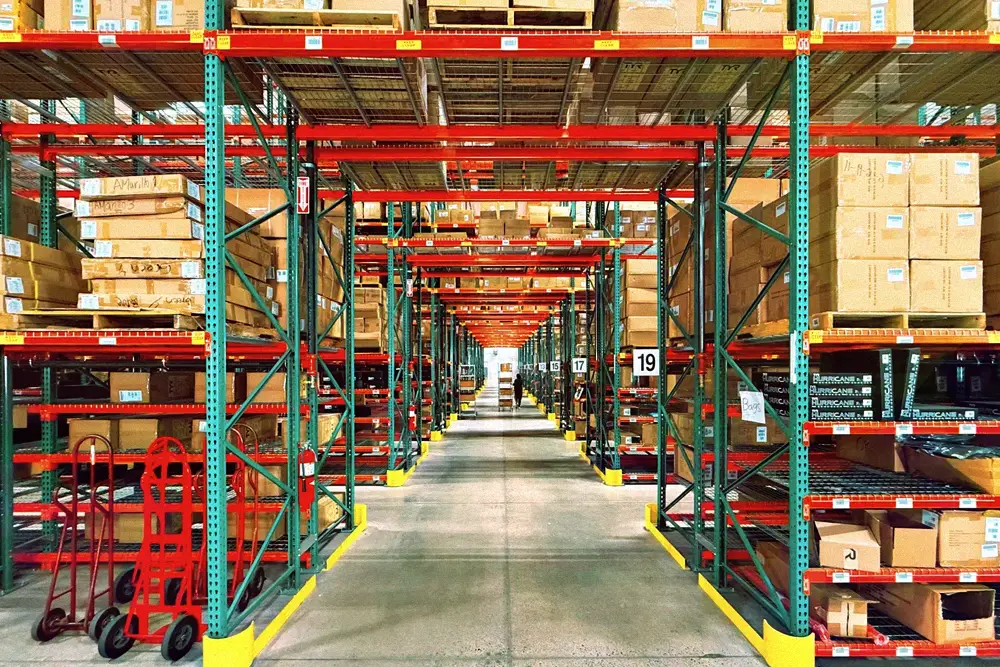
Refrigerant can remain available nationally while becoming difficult to obtain in one city or state.
A regional supply constraint may occur when:
- Service calls rise faster than expected.
- Contractors consume their truck inventory.
- Local distributors receive unusually large orders.
- A popular refrigerant or cylinder size sells through.
- Replacement inventory must be transferred from another warehouse.
- Freight, processing, or delivery capacity delays replenishment.
This distinction matters. “My distributor is temporarily out” does not necessarily mean that the entire country has run out of the refrigerant.
The Freon Shop article on refrigerant shortage planning explains how technicians can distinguish seasonal, regional, logistics-related, and longer-term supply pressures.
The HFC Phasedown Affects the Supply Environment
Heat-wave demand is occurring while the United States reduces the production and consumption of regulated HFCs.
Under the EPA’s current HFC phasedown schedule, production and consumption allowances are capped at 60% of the historical baseline during 2024–2028. The cap is scheduled to decline to 30% of baseline for 2029–2033 and eventually to 15% beginning in 2036.
These percentages are calculated using exchange value, which reflects the climate impact of each regulated HFC. The program is not a uniform physical reduction applied pound-for-pound to every refrigerant.
Existing equipment can generally continue operating and receiving service. However, the allowance system means that the virgin HFC market cannot respond to unlimited seasonal demand independently of federal supply controls.
Recovered and reclaimed refrigerant will consequently play an important role in supporting existing systems. The EPA’s refrigerant reclamation data notes that reclaimed HFCs can provide continued service supply as the phasedown reduces virgin HFC availability.
Do Heat Waves Always Increase Refrigerant Prices?
No. Extreme heat can create price pressure, but an increase is not automatic.
The result depends on:
- Duration and geographic size of the heat event
- Inventory held before the heat wave
- Installed equipment and refrigerant mix
- Speed of regional replenishment
- Virgin and reclaimed refrigerant availability
- Production, import, and regulatory conditions
- Cylinder and transportation capacity
- Contractor purchasing behavior
A short heat wave in a well-supplied market may have little effect. A prolonged event affecting several regions simultaneously may have a larger impact.
The cost of an HVAC repair can also rise even if the refrigerant’s wholesale price does not. Emergency dispatch, overtime, leak detection, recovery, component replacement, evacuation, charging, and testing all contribute to a service invoice.
For a broader explanation, see the Freon Shop guide to factors affecting HVAC refrigerant costs.
How Contractors Can Prepare Without Overbuying
Effective planning is based on records and realistic service needs—not panic purchasing.
Audit the Installed Equipment Base
Review service records to determine which refrigerants are actually used in the contractor’s territory. Separate residential AC, commercial comfort cooling, refrigeration, automotive work, and specialty applications.
Review Monthly Usage
Compare refrigerant use across several cooling seasons. Note the relationship between temperature, call volume, leak repairs, equipment age, and refrigerant quantities.
Establish Reorder Points
Set practical reorder levels based on average consumption, peak-season demand, available storage, delivery lead time, and a reasonable emergency reserve.
Excess inventory creates its own risks, including tied-up capital, tracking problems, cylinder-management burdens, and product quantities that may not match future service demand.
Maintain Equipment Before Extreme Heat Arrives
Preseason maintenance can identify dirty coils, weak electrical components, airflow problems, and developing refrigerant leaks before customers lose cooling.
This reduces emergency demand during the period when technicians and replacement inventory are hardest to schedule.
Diagnose Before Charging
A warm building is not proof of an undercharged system. Technicians should confirm airflow, coil condition, fan operation, metering-device performance, pressure-temperature relationships, superheat, subcooling, and manufacturer targets.
If a leak is confirmed, repair and verification should come before the final recharge whenever required by the applicable procedure.
Purchase the Correct Refrigerant
Once a qualified professional has verified the refrigerant and quantity needed, buyers can review the Freon Shop refrigerant collection. Product selection must follow the equipment nameplate and manufacturer specifications; refrigerants must never be mixed or substituted based only on availability.
Refrigerant Handling Still Requires Qualified Professionals
Extreme weather does not change federal refrigerant-handling requirements.
The EPA’s Section 608 certification rules require appropriate certification for technicians who maintain, service, repair, or dispose of stationary equipment in ways that could release refrigerant.
The EPA also generally restricts the purchase of refrigerants intended for stationary refrigeration and air-conditioning equipment to certified technicians, qualifying employers, and authorized representatives.
Customers should not attempt to solve an AC failure with an unverified refrigerant, a different product, or an improvised charging procedure.
Frequently Asked Questions
Does an AC consume more refrigerant during a heat wave?
No. A properly sealed system circulates the same charge regardless of runtime. Increased refrigerant demand comes from repairs, leaks, installation work, and service corrections across many systems.
Can extreme heat cause a refrigerant leak?
Heat alone does not prove that a leak developed. Extended runtime and vibration may aggravate a weak joint or damaged component, while peak cooling load can make an existing leak easier to detect.
Which refrigerant is most affected by summer demand?
It varies by region and application. Markets with many existing R410A systems may experience different demand from areas servicing older R22 equipment or newer R32 and R454B systems. Commercial refrigeration creates another demand profile.
Why can refrigerant be available online but unavailable locally?
Local distributors may sell through a product or cylinder size before replacement inventory arrives. National availability does not guarantee immediate inventory in every warehouse.
Should HVAC companies buy a large quantity before every heat wave?
Not automatically. Inventory should reflect actual service history, forecast workload, storage capacity, certification requirements, and realistic replenishment times. Excessive speculative purchasing can create waste and worsen local imbalances.
Does the HFC phasedown prohibit repairing existing systems?
No. EPA guidance does not require consumers to stop using existing equipment solely because of the HFC phasedown. Existing units can continue receiving service under applicable refrigerant-management rules.
Can a homeowner add refrigerant to a central air conditioner?
Stationary AC refrigerant handling should be performed by an appropriately certified HVAC technician. The technician must diagnose the cause, identify the correct refrigerant, and charge the system according to its approved procedure.
Conclusion
Extreme heat waves increase U.S. HVAC refrigerant demand by concentrating cooling-system failures and repair work into a short period. Healthy systems do not consume refrigerant simply because they run longer, but heat can reveal existing leaks, airflow restrictions, dirty coils, weak components, and incorrect charges.
The resulting demand is regional, seasonal, and equipment-specific. It can tighten local supply without creating a nationwide shortage and can raise service costs without guaranteeing an equivalent increase in refrigerant prices.
HVAC professionals can prepare by tracking their installed equipment base, reviewing historical usage, maintaining reasonable reorder points, completing preseason inspections, repairing leaks correctly, and purchasing only refrigerants verified for the equipment being serviced.