
Refrigerant prices increase when available supply becomes tighter relative to demand. In the United States, the most important factors include federal limits on HFC production and imports, the end of new R-22 production, seasonal HVAC demand, refrigerant reclamation capacity, manufacturing expenses, cylinder costs, transportation, and international trade measures.
However, there is no single refrigerant market. R-22, R-410A, R-32, R-454B, R-134a, and R-404A can follow different price patterns because they serve different equipment, use different components, and are affected by different regulations.
A higher service bill also does not necessarily mean the wholesale price of refrigerant increased by the same amount. An HVAC quote may include diagnosis, leak detection, recovery, repair labor, evacuation, refrigerant charging, and follow-up testing in addition to the refrigerant itself.

The Main Factors Affecting Refrigerant Prices
| Price Factor | Most Relevant To | How It Can Affect Cost |
|---|---|---|
| HFC production and import allowances | R-410A, R-134a, R-404A and other HFCs | Limits the amount of virgin HFCs that can enter the U.S. market |
| Legacy-equipment demand | R-22 and refrigerants used in older systems | Existing equipment continues to require service after new production or use declines |
| Seasonal demand | Residential and commercial AC refrigerants | Heat waves and summer repair volume can tighten local availability |
| Manufacturing and blending | Single-component refrigerants and blends | Feedstocks, energy, processing and quality control contribute to production cost |
| Reclamation availability | R-22 and HFC service markets | Collection, testing and reprocessing determine how much recovered refrigerant returns to market |
| Trade measures and import compliance | Imported refrigerants and components | Duties, allowance requirements and enforcement can change landed cost and sourcing options |
| Cylinders, storage and transportation | All packaged refrigerants | Approved containers, warehousing and regulated transportation add costs beyond the chemical itself |
| Local inventory and distributor margins | All refrigerants | Regional demand and the number of distribution steps influence the final selling price |
Regulatory factors summarized from the U.S. EPA HFC phasedown guidance and EPA refrigerant reclamation information.
1. The HFC Phasedown Limits Virgin Supply
The American Innovation and Manufacturing Act directs the EPA to reduce U.S. production and consumption of regulated hydrofluorocarbons through an allowance system.
These allowances are required to produce or import bulk HFCs. They are calculated using the climate impact, or exchange value, of the individual HFC rather than simply the physical weight of the product.
According to the EPA’s current HFC phasedown schedule, production and consumption caps are set at 60% of baseline levels for 2024 through 2028. The cap then falls to 30% of baseline for 2029 through 2033.
That does not mean the physical supply of every refrigerant is automatically cut by the same percentage. Manufacturers and importers can make decisions about which HFCs to supply within the allowance framework.
Nevertheless, the phasedown creates a tighter overall limit on virgin HFC supply. Refrigerants with greater exchange values require more allowances per pound, which can influence production planning, imports, inventories, and market prices.
Does the HFC phasedown ban existing air conditioners?
No. Existing equipment can generally continue operating and being serviced. The phasedown controls HFC production and consumption while separate technology-transition rules address which refrigerants may be used in certain new products and systems.
This distinction matters because millions of existing systems will continue to need service refrigerant even as new equipment moves toward lower-GWP alternatives.
2. R-22 Has a Different Supply Problem
R-22 is an HCFC rather than an HFC, so its pricing is not governed by the AIM Act’s HFC allowance schedule. Its supply situation results from the earlier phaseout of ozone-depleting substances.
As of January 1, 2020, new R-22 can no longer be produced or imported into the United States for servicing existing equipment. According to the EPA’s guidance for owners of R-22 air conditioners, existing systems may still be used, while servicing needs can be met with previously produced or reclaimed R-22.
This creates a classic legacy-equipment market:
- The installed base of older R-22 systems still creates service demand.
- No newly produced or newly imported R-22 is being added for that servicing market.
- Available material comes from existing inventory and recovered refrigerant processed by certified reclaimers.
- Supply can vary by location, distributor, purity, container size, and time of year.
R-22 pricing may therefore remain volatile even as the number of operating R-22 systems gradually declines.
3. New-Equipment Rules Are Changing Demand Patterns
The EPA Technology Transitions Program restricts higher-GWP HFCs in specified new products and systems. Compliance dates and permitted refrigerants vary by equipment category.
The EPA Technology Transitions Program states that restrictions for certain products and equipment began on January 1, 2025. These rules affect new manufacturing, imports, sales, distribution, and installation in covered sectors; they do not establish a universal requirement to replace functioning existing equipment.
As the equipment market changes:
- Demand for refrigerants used in new systems can grow.
- Demand for older refrigerants shifts increasingly toward service applications.
- Manufacturers and distributors must manage inventory across old and new equipment generations.
- Contractors may need new tools, storage procedures, training, and service practices.
- Early supply for a newer refrigerant may be less widely distributed than supply for an established product.
These transition costs do not guarantee that every lower-GWP refrigerant will remain expensive. As production and distribution scale up, availability may improve. During the transition, however, uneven regional inventory can produce noticeable price differences.
4. Summer Demand Can Create Short-Term Price Pressure
Air-conditioning demand is highly seasonal. When temperatures rise, more systems operate for longer periods, and more leaks, compressor problems, and cooling failures become visible.
A period of extreme heat can increase simultaneous demand for:
- Replacement parts
- HVAC technicians
- Refrigerant
- Recovery cylinders
- Delivery capacity
- Emergency service appointments
Even when national supply is adequate, a local distributor can temporarily run low on a particular cylinder size or refrigerant. Restocking from another warehouse adds freight and handling costs.
This is why the same refrigerant may cost more during a regional heat wave than during a lower-demand maintenance season.
5. Refrigerant Demand Extends Beyond Home Air Conditioning
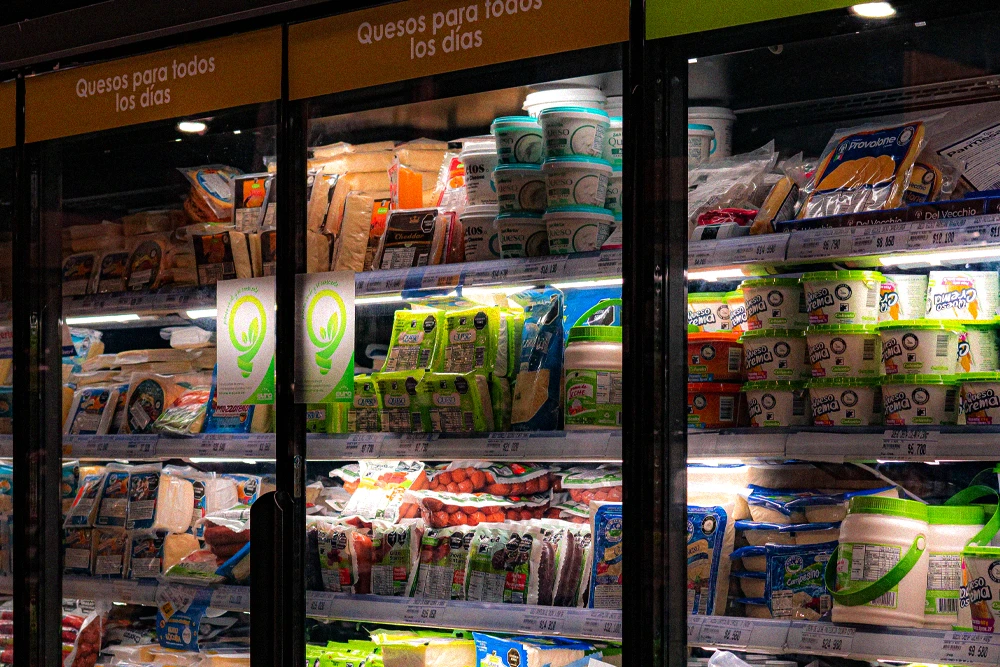
Residential AC is only one part of the market. Refrigerants are also used in:
- Supermarkets and convenience stores
- Restaurants and commercial kitchens
- Cold-storage warehouses
- Food processing
- Office buildings and data facilities
- Industrial refrigeration
- Transport refrigeration
- Vehicle air conditioning
- Heat pumps
- Certain medical, manufacturing and fire-suppression applications
A change in demand from one large sector can affect the availability of individual components used in multiple refrigerant blends.
For example, a chemical component may be needed for several finished refrigerants. Increased demand for one blend can therefore influence the production economics of other blends containing the same component.
6. Manufacturing a Refrigerant Involves More Than One Chemical Cost
The wholesale cost of refrigerant reflects an entire production process. Depending on the product, expenses may include:
- Chemical feedstocks
- Energy used in production
- Plant operation and maintenance
- Blend formulation
- Moisture and impurity control
- Laboratory testing
- Regulatory reporting
- Cylinder filling
- Product labeling
- Inventory financing
- Waste handling
Blended refrigerants also require controlled composition. A product must meet the applicable purity and composition specifications; it cannot be treated as an informal mixture of whatever components are available.
A shortage or cost increase affecting one component can therefore influence the price and availability of the finished blend.
7. Cylinders, Storage, and Freight Add to the Final Price
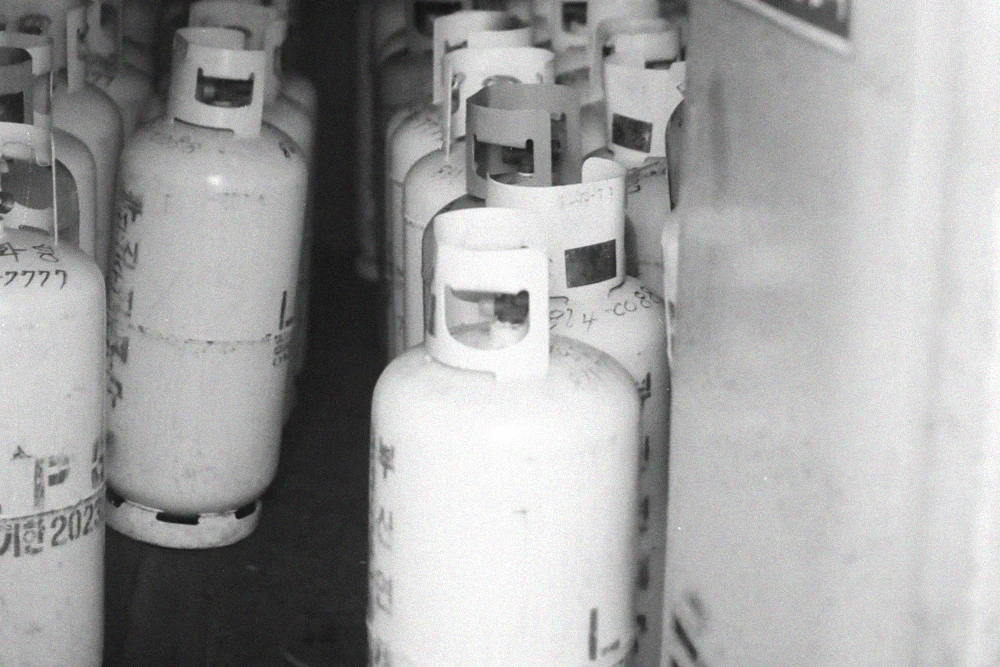
Refrigerant must be packaged, stored, and transported in appropriate cylinders. The container is a meaningful part of the delivered product, especially for smaller package sizes.
Costs can include:
- Cylinder manufacturing and inspection
- Valves, caps, labels, and cartons
- Filling and weight verification
- Warehousing space
- Inventory insurance
- Employee handling procedures
- Ground transportation
- Fuel and carrier surcharges
- Delivery to regional distributors or customers
Small cylinders typically have a higher packaging and handling cost per pound than bulk quantities. That is one reason two containers should not be compared only by their total selling price.
Calculate the price per pound, but also confirm whether the products have the same refrigerant, weight, cylinder type, source, and condition.
8. Import Rules and Trade Measures Can Change Landed Cost
Imported HFCs must comply with EPA allowance requirements. Enforcement against unauthorized imports can remove noncompliant material from the market and helps prevent illegally imported products from undercutting compliant suppliers.
Trade measures can also apply to particular chemicals or countries. For example, on July 15, 2026, the U.S. International Trade Commission announced that the existing antidumping order covering imports of R-32 from China would remain in place.
That decision does not mean every R-32 product will increase by a fixed amount. It shows why buyers should consider trade policy and country of origin when evaluating supply and price differences.
The effect of an import measure depends on:
- Which refrigerant or chemical component is covered
- Country of origin
- Supplier sourcing
- Applicable duty rates
- Domestic production capacity
- Available inventory from other countries
- Demand for refrigerant blends using that component
9. Reclaimed Refrigerant Is Becoming More Important
Recovery removes refrigerant from equipment. Reclamation goes further: the recovered material is processed and verified to meet the applicable purity specifications before it can be sold to a new owner.
Reclamation creates an additional source of refrigerant for servicing installed equipment, but it has its own costs. Material must be collected, transported, separated, tested, processed, documented, and redistributed.
EPA data show that the volume of HFCs reclaimed in 2024 increased by approximately 30% from 2023. The EPA’s reclamation trends summary identifies R-410A and HFC-134a as major contributors and expects reclaimed supply to play a growing role as virgin HFC production and imports decline.
More reclamation can help support service availability. However, reclaimed supply depends on how much usable refrigerant technicians and equipment owners recover and return instead of losing it through leaks or improper disposal.
Which Refrigerants Are Affected—and Why?
| Refrigerant Category | Examples | Primary Price Considerations |
|---|---|---|
| Legacy HCFC | R-22 | Existing inventory, reclaimed supply, declining but persistent service demand |
| Higher-GWP HFCs and blends | R-410A, R-404A, R-134a | HFC allowances, installed-equipment demand, reclamation and sector transitions |
| Newer lower-GWP options | R-32, R-454B | Production scale, component supply, trade measures, equipment adoption and distribution growth |
| Specialized commercial blends | R-448A, R-449A, R-407A | Blend components, application demand, HFC allowances and regional availability |
Regulatory categories and market context are based on the EPA HFC phasedown program, EPA R-22 consumer guidance, and the EPA Technology Transitions Program.
The refrigerants in each row are not interchangeable. Equipment compatibility must be determined from the unit’s nameplate, manufacturer documentation, and an appropriate professional evaluation.
Why Is an HVAC Refrigerant Quote Higher Than the Cylinder Price?
A cylinder price is not the same as the total cost of repairing and charging an air conditioner.
A complete service may include:
- Travel and diagnostic time
- Airflow and electrical checks
- Pressure and temperature measurements
- Electronic or bubble leak detection
- Refrigerant recovery
- Leak repair or component replacement
- Pressure testing
- System evacuation
- Charging by weight or approved manufacturer procedure
- Final performance verification
- Labor warranty and business overhead
The amount of refrigerant installed is also not necessarily equal to the full capacity printed on the equipment nameplate. The correct quantity depends on the system, repair performed, remaining charge, line length, and manufacturer instructions.
Comparing only the per-pound charge can therefore be misleading. Ask what diagnosis, repair, testing, labor, and warranty are included.
How Can Homeowners and Businesses Control Refrigerant Costs?
Repair leaks early
Repeatedly adding refrigerant to a leaking system wastes material and can turn a manageable repair into a larger expense. Ask the technician to identify the leak rather than automatically topping off the system.
Maintain airflow and clean coils
Dirty filters, blocked coils, and airflow problems can imitate refrigerant symptoms. Proper maintenance helps prevent an incorrect diagnosis and keeps the system operating efficiently.
Schedule non-emergency work when practical
Planned maintenance provides more time to compare repair options and source the correct refrigerant. Emergency service during a heat wave may involve higher labor and logistics costs.
Confirm the exact refrigerant before purchasing
Use the equipment nameplate and manufacturer documentation. Do not purchase based only on system age, appearance, or a guess.
Refrigerants cannot be safely mixed, and a newer refrigerant is not automatically a substitute for an older one.
Compare complete quotes
A lower quote may exclude leak repair, evacuation, recovery, or follow-up testing. Compare the scope of work rather than looking only at the stated refrigerant price.
Consider repair versus replacement
For an older system with a major leak, damaged compressor, or repeated failures, equipment replacement may provide better long-term value. A minor repair on an otherwise reliable unit may still be economical.
Be Careful With Refrigerant That Is Unusually Cheap
A very low price may have an innocent explanation, such as a different container size or a temporary promotion. It can also signal problems such as:
- Incorrect net weight
- Opened or damaged packaging
- Unverified purity
- Mislabeling
- Questionable sourcing
- Unauthorized imports
- Recovered material that was not properly reclaimed
Before purchasing, confirm the refrigerant designation, net weight, cylinder condition, seller information, and any certification requirements.
The EPA restricts sales of refrigerants intended for stationary air-conditioning and refrigeration equipment. Its refrigerant sales guidance explains that servicing activities must be performed by an appropriately certified technician and that used refrigerant generally must be reclaimed by an EPA-certified reclaimer before sale to a new owner.
Will Refrigerant Prices Keep Increasing?
No one can guarantee a continuous increase. Refrigerant prices can rise, fall, or remain stable based on inventory, weather, production decisions, imports, reclamation volumes, and the speed of equipment transitions.
The next major HFC allowance step is scheduled for 2029, when the national production and consumption cap falls from 60% to 30% of baseline. That creates a reason for contractors, distributors, and equipment owners to plan ahead, but it does not establish a future retail price.
Several forces may help moderate costs:
- More lower-GWP equipment entering service
- Greater production scale for newer refrigerants
- Increased HFC reclamation
- Retirement of older leaking equipment
- Better leak detection and maintenance
- Improved distributor inventories
Other forces—including heat waves, plant interruptions, component shortages, trade measures, or faster-than-expected demand—can create upward pressure.
Frequently Asked Questions
Why is R-410A becoming more expensive?
R-410A is an HFC blend affected by the national HFC production and import allowance system. It also remains widely needed for existing residential and commercial equipment. Pricing reflects the interaction between regulated virgin supply, installed-system demand, reclamation, inventory, and seasonal service volume.
Why is R-22 often more expensive than newer refrigerants?
New R-22 has not been produced or imported for U.S. equipment servicing since 2020. The remaining service market depends on previously produced inventory and reclaimed material, while older R-22 systems continue to require repairs.
Is R-454B automatically cheaper than R-410A?
No. R-454B pricing depends on component costs, production volume, equipment adoption, regional inventory, packaging, and distribution. A lower GWP does not automatically mean a lower retail price.
Will R-32 prices be affected by import duties?
They can be. Country of origin and applicable trade measures influence landed cost. As of July 15, 2026, the existing antidumping order covering R-32 imports from China remains in place. The actual effect on an individual product depends on its source and supply chain.
Is reclaimed refrigerant lower quality?
Properly reclaimed refrigerant is reprocessed and verified to meet the applicable purity specifications. It should not be confused with refrigerant that has merely been recovered from equipment without full reclamation and testing.
Does a high refrigerant price mean I should replace my AC?
Not necessarily. Consider system age, leak location, repair history, efficiency, compressor condition, warranty, and the total repair cost. A qualified technician can help compare repair and replacement options.
Can I replace R-22 or R-410A with a cheaper refrigerant?
Not without equipment-specific engineering guidance and an approved retrofit procedure. Refrigerants have different pressures, oils, safety characteristics, controls, and component requirements. Never mix refrigerants or use price alone to choose a substitute.
Final Takeaway
Refrigerant prices are shaped by more than the cost of the chemical. Federal production and import limits, legacy-equipment demand, seasonal service volume, reclamation, manufacturing, cylinders, freight, trade measures, and regional inventory all affect the final price.
R-22 faces a limited legacy supply, while HFCs such as R-410A are affected by the AIM Act phasedown. Newer options such as R-32 and R-454B have their own production, trade, safety, equipment, and distribution considerations.
Before ordering, have a qualified technician confirm the exact refrigerant and quantity required. Eligible purchasers can then compare available options through the Freon Shop refrigerant collection. Product availability does not establish compatibility, so always verify the equipment nameplate and manufacturer requirements before purchase.