
For HVAC contractors, one of the most expensive problems during cooling season is not always the first service visit. It is the second visit that should not have been necessary.
A technician arrives, diagnoses the system, confirms the refrigerant type, and explains the repair. The customer is ready to move forward. But the job cannot be completed because the right refrigerant is not available. Now the contractor has to reschedule, dispatch again, and hope the customer waits instead of calling another company.
That delay hurts more than the calendar. It affects labor cost, truck efficiency, customer satisfaction, and close rate. In 2026, with a more complicated refrigerant market and strong summer cooling demand, HVAC businesses need a smarter plan for refrigerant access. FreonShop helps contractors reduce those avoidable delays with refrigerant products, U.S. warehouse support, and fast shipping built around real field demand.
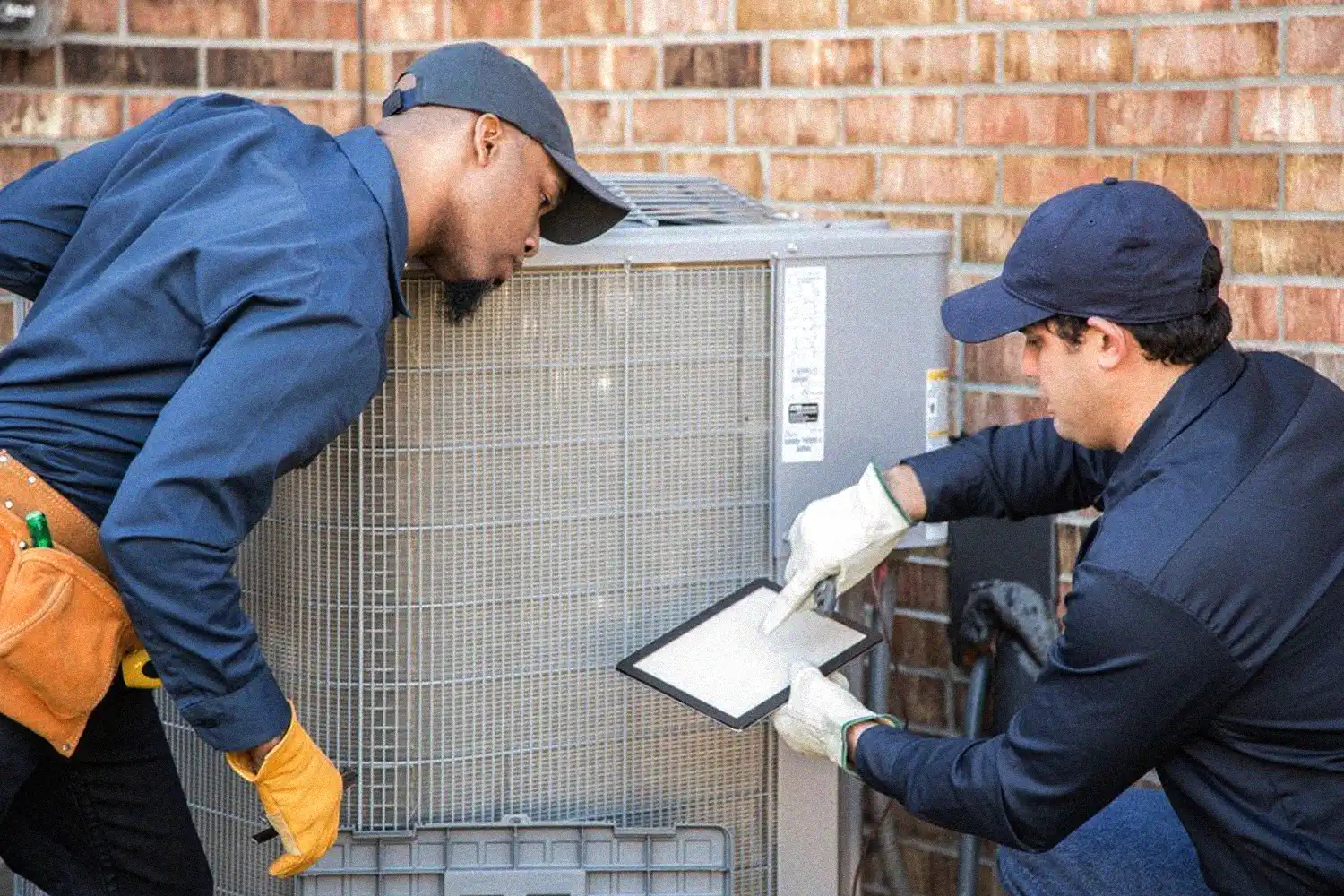
Why Callback Delays Are a Profit Problem
A callback delay is not the same as a normal follow-up. In many cases, it means the technician already did the hard part: drove to the site, diagnosed the issue, spoke with the customer, and created the repair opportunity. If refrigerant availability stops the job at that point, the company loses momentum.
The customer may still approve the repair, but the contractor now has to absorb more scheduling friction. The service manager has to fit the job back into a packed route. The technician may lose time that could have been used for another billable call. If the customer is uncomfortable during a heat wave, they may keep searching for a faster option.
That is why refrigerant supply should be treated as part of sales conversion, not just inventory. The right cylinder at the right time can turn a diagnosis into a completed invoice.
| Delay Point | Business Impact | Better Refrigerant Strategy |
|---|---|---|
| Refrigerant not on truck | Return visit required | Stock common service refrigerants |
| Supplier lead time too long | Customer may call competitors | Use fast U.S. shipping |
| Mixed equipment types | Wrong product ordered | Track refrigerant by system type |
| Peak heat demand | Schedule becomes overloaded | Reorder before inventory gets low |
| Newer A2L systems | Added handling requirements | Prepare for R-32 and R-454B service |
The Installed Base Is Mixed, and That Complicates Planning
The HVAC market is not moving from one refrigerant to another in a clean straight line. Contractors are servicing older systems, newer systems, retrofit situations, and light commercial equipment at the same time. That means refrigerant planning has to match the real installed base in the contractor’s service area.
The EPA’s Hydrofluorocarbons program, updated in June 2026, explains that the AIM Act gives EPA authority to phase down HFC production and consumption, manage HFC use and reuse, and support transitions to next-generation technologies. For contractors, the important point is practical: new rules and new equipment do not remove older systems overnight.
R-410A remains important because many existing residential and light commercial systems still rely on it. At the same time, newer equipment is increasingly associated with lower-GWP refrigerants such as R-32 and R-454B. Those refrigerants are part of the A2L category, which requires proper training, storage awareness, and safe handling procedures.
R-410A Still Drives Completed Repairs
R-410A is still one of the most important refrigerants for contractors who handle residential AC and heat pump service. Even when customers know newer systems are entering the market, many still prefer to repair an existing unit if the system is otherwise worth keeping.
That creates a steady opportunity. A contractor who can complete an R-410A repair quickly can protect revenue that might otherwise disappear into a delayed estimate or full replacement conversation. Fast access matters most when the customer is already hot, impatient, and ready to approve the repair.
keep service calls moving, reduce unnecessary return trips, and help technicians finish jobs faster.
R-32 and R-454B Are Becoming Service-Relevant
Contractors also need to prepare for newer refrigerant demand. EPA’s Technology Transitions page, updated June 2026, notes sector-based restrictions and recent final rule activity involving residential and light commercial air conditioning and heat pump systems. That ongoing activity is one reason HVAC businesses should avoid treating refrigerant planning as a one-product decision.
R-32 and R-454B are especially important because they are showing up in newer AC and heat pump equipment. These refrigerants require appropriate A2L handling practices, but they also create a business opportunity. Contractors that understand the transition can serve newer equipment confidently while competitors are still catching up.
| Refrigerant | Where It Fits in 2026 Service | Why It Matters |
|---|---|---|
| R-410A | Existing residential and light commercial systems | High repair volume and familiar installed base |
| R-32 | Newer lower-GWP AC and heat pump systems | Growing equipment relevance |
| R-454B | Newer systems replacing many R-410A applications | Important for future-ready contractors |
| R-134a | Automotive, refrigeration, and legacy applications | Broad cooling service demand |
| R-404A | Commercial refrigeration | Useful for food service and cold storage calls |
| R-407C | Retrofit and service applications | Supports certain older-system strategies |
Compliance Helps Protect the Contractor and the Customer
Fast service does not mean careless service. Refrigerant work still has to be done correctly. EPA’s Section 608 page, updated June 22, 2026, states that Section 608 prohibits intentional venting of ozone-depleting refrigerants and substitutes such as HFCs during maintenance, service, repair, or disposal of air conditioning and refrigeration equipment.
That matters in the real world. Customers may pressure technicians to “just add refrigerant,” but professional HVAC companies know that refrigerant handling involves proper recovery, leak awareness, certified work practices, and correct charging. A supplier cannot replace technician training, but a reliable supplier can help contractors get the correct product quickly so compliant work is not delayed by basic availability problems.
FreonShop’s strongest message is simple: support professional HVAC users with dependable refrigerant access, fast U.S. fulfillment, and products aligned with real service demand.
Fast U.S. Shipping Helps Reduce the Second Visit
A second visit is sometimes unavoidable. But when the only reason is missing refrigerant, the business should look for a better system. FreonShop’s U.S. warehouse and fast shipping model helps HVAC buyers reduce that risk.
The goal is not to stock every refrigerant in unlimited quantities. The goal is to understand the company’s most common repair patterns and build a reorder rhythm around them. A contractor can review the last 60 to 90 days of invoices, identify the refrigerants used most often, and keep enough supply ready for peak demand. When inventory starts running low, fast shipping helps restore readiness before the next wave of calls.
This is especially important during summer heat. The NOAA Climate Prediction Center’s seasonal outlooks are useful for HVAC businesses because hotter conditions often mean higher service volume. When demand spikes, the companies that planned ahead usually have an advantage.
Why FreonShop Fits the 2026 Contractor Workflow
FreonShop is positioned for HVAC contractors and service buyers who need practical refrigerant access without slowing down operations. The value is not just the cylinder itself. It is the ability to keep repairs moving, reduce avoidable delays, and help technicians finish profitable work faster.
For residential contractors, that may mean quick access to R-410A for existing AC systems. For companies working on newer equipment, it may mean preparing for R-32 and R-454B. For commercial and refrigeration-focused teams, products such as R-134a, R-404A, and R-407C may support broader service needs.
In 2026, refrigerant readiness is part of contractor performance. The companies that manage it well can reduce callbacks, protect margins, and deliver a faster customer experience. FreonShop helps make that easier with U.S. warehouse fulfillment, fast shipping, and refrigerant supply built for HVAC users who cannot afford to wait.