
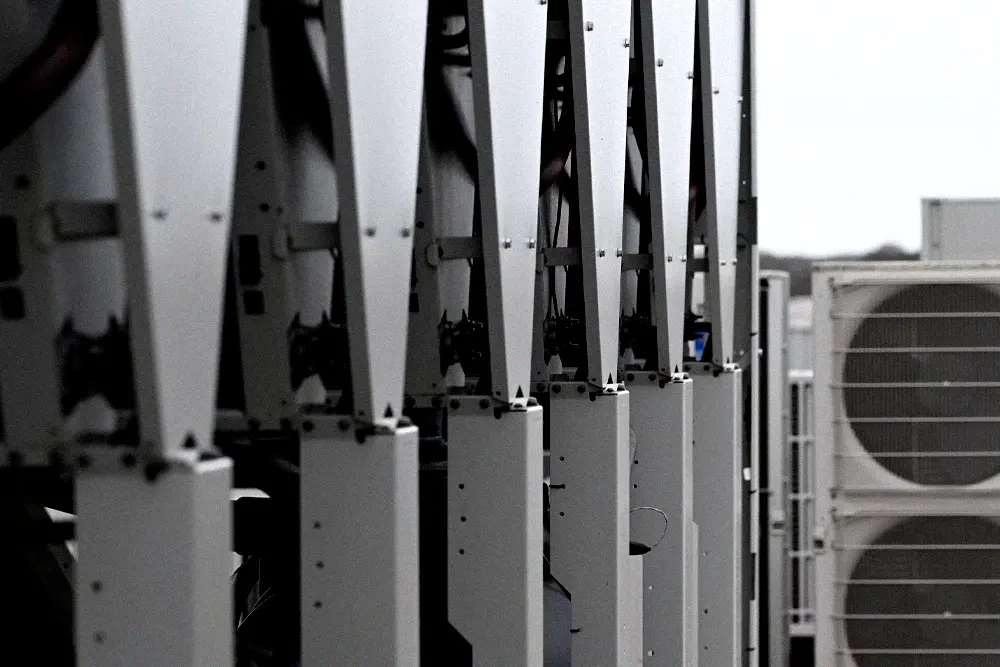
AC refrigerant can last for the entire life of an air conditioner. It does not get consumed like gasoline, and it does not normally expire inside a sealed system. If an air conditioner becomes low on refrigerant, there is usually a leak, an installation or charging error, or refrigerant was lost during previous service.
There is no standard schedule for replacing refrigerant. A properly operating air conditioner should not need a refrigerant refill every spring, every few years, or after a certain number of operating hours.
How Long Does Refrigerant Last in an Air Conditioner?
In a correctly installed, leak-free system, the original refrigerant charge may remain usable for 10, 15, or 20 years—or for as long as the air conditioner remains in service.
Air-conditioning refrigerant circulates through a closed circuit. During each cooling cycle, it:
- Absorbs heat at the indoor evaporator coil.
- Changes pressure and physical state.
- Travels to the outdoor equipment.
- Releases the absorbed heat through the condenser.
- Returns indoors to repeat the process.
Although refrigerant repeatedly changes between liquid and vapor, it is not burned or intentionally consumed. Trane’s homeowner guidance similarly explains that a properly operating air conditioner should not require refrigerant replacement.
Components such as filters, capacitors, contactors, motors, and compressors may wear out over time. Refrigerant is different: age alone is not a reason to remove or replace it.
Does AC Refrigerant Expire?
Refrigerant does not normally expire inside a clean, sealed air-conditioning system. Its age is generally less important than whether the system has maintained the correct charge and kept the refrigerant free from contamination.
The same principle often applies to refrigerant kept in a properly sealed cylinder. For example, Chemours states in its Opteon refrigerant shelf-life guidance that the covered refrigerants have an indefinite shelf life when stored and handled according to the manufacturer’s instructions.
However, an old or opened cylinder should not automatically be treated as usable. A qualified professional should verify:
- The refrigerant can be positively identified.
- The cylinder and valve are in acceptable condition.
- The container has not been exposed to damaging heat or corrosion.
- Air, moisture, oil, or another refrigerant has not entered the cylinder.
- The refrigerant is correct for the intended equipment.
- The cylinder meets applicable inspection and transportation requirements.
A cylinder can deteriorate or its contents can become contaminated even when the refrigerant itself has not chemically expired.
Refrigerant Life Under Different Conditions
| Condition | What Happens | Recommended Action |
|---|---|---|
| Properly sealed AC system | Refrigerant continues circulating and may last for the equipment’s full service life. | No scheduled refrigerant replacement is needed. |
| Refrigerant leak | The charge gradually or rapidly escapes from the closed circuit. | Find and repair the leak before restoring the correct charge. |
| Incorrect installation charge | The system begins operation with too much or too little refrigerant. | Diagnose and charge according to the equipment manufacturer’s procedure. |
| System opened for repair | Refrigerant may need to be recovered before a component is removed. | Use proper recovery, evacuation, repair, and recharging procedures. |
| Contaminated refrigerant | Moisture, air, oil degradation products, or mixed refrigerants may affect system operation. | Recover the material and determine whether reclamation or replacement is required. |
| Properly stored sealed cylinder | The refrigerant may remain stable indefinitely. | Inspect the cylinder and confirm identity and condition before use. |
The key distinction is that refrigerant can become lost, contaminated, or incorrectly charged without having reached an expiration date.
Why Does an Air Conditioner Become Low on Refrigerant?
An air conditioner does not become low on refrigerant simply because it has operated for many summers. A reduced charge usually points to one of the following conditions.
A refrigerant leak
Leaks can develop at coils, valves, service ports, fittings, brazed joints, or tubing. Common contributing factors include corrosion, vibration, physical damage, improper installation, and normal equipment deterioration.
Some leaks cause a rapid loss of cooling. Others are small enough that performance declines over months or years. A slow leak is still a leak—it is not normal refrigerant consumption.
An incorrect initial charge
An air conditioner may have been undercharged or overcharged during installation. For some systems, the required charge depends on factors such as the installed refrigerant-line length.
Charging is not simply a matter of adding refrigerant until a pressure gauge reaches a convenient number. The technician must follow the equipment manufacturer’s charging procedure and account for operating conditions, airflow, metering-device type, and refrigerant specifications.
Refrigerant lost during service
Opening the sealed circuit to replace a compressor, coil, valve, or other component requires proper refrigerant recovery. The technician must then repair the circuit, evacuate it as required, confirm that it is leak-free, and restore the specified charge.
Contamination inside the system
Moisture or air can enter if the circuit is opened or serviced incorrectly. Compressor failure may also leave oil degradation products, acids, or debris in the system.
Contaminated refrigerant has not necessarily “expired,” but it may no longer be suitable for continued use without proper recovery, testing, cleanup, or reclamation.
Signs Your AC May Be Low on Refrigerant
Possible warning signs include:
- The vents are blowing air that is not as cold as usual.
- The air conditioner runs longer but struggles to reach the thermostat setting.
- Indoor humidity remains unusually high.
- Cooling is uneven between rooms.
- Ice develops on the evaporator coil or refrigerant tubing.
- Energy consumption increases without an obvious explanation.
- A hissing sound is heard near a coil, valve, or refrigerant line.
- Oily residue appears around a coil, fitting, or service connection.
These signs do not prove that the refrigerant charge is low. A dirty air filter, restricted airflow, a blower problem, a dirty coil, a faulty expansion device, or compressor damage may produce similar symptoms.
According to Trane’s refrigerant-leak guidance, professional leak detection may involve specialized equipment and methods that can identify the actual leak location. Measuring system pressure alone may not provide a complete diagnosis.
Should You Recharge an AC Without Repairing the Leak?
Simply adding refrigerant may restore cooling temporarily, but it does not repair the condition that allowed the charge to escape.
Repeatedly topping off a leaking system can lead to:
- Recurring loss of cooling
- Repeated refrigerant and service costs
- Reduced efficiency
- Poor humidity control
- Increased compressor stress
- Additional refrigerant emissions
- A larger or more expensive equipment failure
The U.S. Department of Energy advises that when refrigerant is low or leaking, homeowners should call a trained technician to repair the leak and recharge the system.
Whether repair makes financial sense depends on the leak location, equipment age, general condition, repair history, warranty coverage, refrigerant type, and availability of compatible parts. A leaking service valve in an otherwise healthy system may justify repair. A severely corroded evaporator coil in an aging system may make equipment replacement more practical.
Can Old Refrigerant Be Reused?
Sometimes, but the answer depends on the refrigerant’s identity, condition, ownership, and intended destination.
Three terms are commonly used:
Recovered refrigerant
Recovered refrigerant has been removed from equipment and stored in an external container. Recovery alone does not guarantee that the material is clean enough for unrestricted reuse.
Recycled refrigerant
Recycled refrigerant has been processed to reduce contaminants, commonly through oil separation and filter-driers. Recycling is different from certified reclamation.
Reclaimed refrigerant
Reclaimed refrigerant has been processed and verified to meet the applicable purity standard. The EPA explains that used refrigerant must be reclaimed by an EPA-certified reclaimer before it can be sold for use in another appliance.
Refrigerant should not be reused when its identity is uncertain or when there is reason to suspect contamination. Different refrigerants must never be mixed. Mixing can create unpredictable operating conditions, contaminate recovery equipment, complicate reclamation, and damage the air-conditioning system.
Does Refrigerant Type Affect How Long It Lasts?
Common refrigerants such as R-22, R-410A, R-32, and R-454B can remain in properly designed, sealed equipment throughout the system’s operating life.
Their pressures, safety classifications, environmental characteristics, lubricant requirements, and equipment applications may differ. Those differences affect installation and service practices, but they do not create a routine expiration schedule inside the system.
Always use the refrigerant specified on the equipment nameplate or specifically approved by the equipment manufacturer through a documented retrofit procedure. A refrigerant should never be selected only because it is available from Freon Shop or another supplier. Product availability does not establish compatibility.
Does R-22 Expire in an Older Air Conditioner?
R-22 already inside an older system does not expire merely because U.S. production and import restrictions have changed. If the system remains leak-free and operates correctly, the existing charge does not need to be removed simply because of its age.
However, an R-22 system that develops a major leak or expensive component failure deserves a careful repair-versus-replacement evaluation.
If a retrofit is considered, it must be evaluated for that specific system. The EPA advises homeowners to have a Section 608-certified technician recover the existing R-22 and explain how a proposed conversion could affect system performance and energy use. Never mix R-22 with a different refrigerant or treat another product as a universal top-off.
Can Homeowners Add Refrigerant Themselves?
Refrigerant work is not comparable to changing an air filter. Incorrect charging can damage the compressor, reduce efficiency, create unsafe pressures, release refrigerant, or contaminate the system.
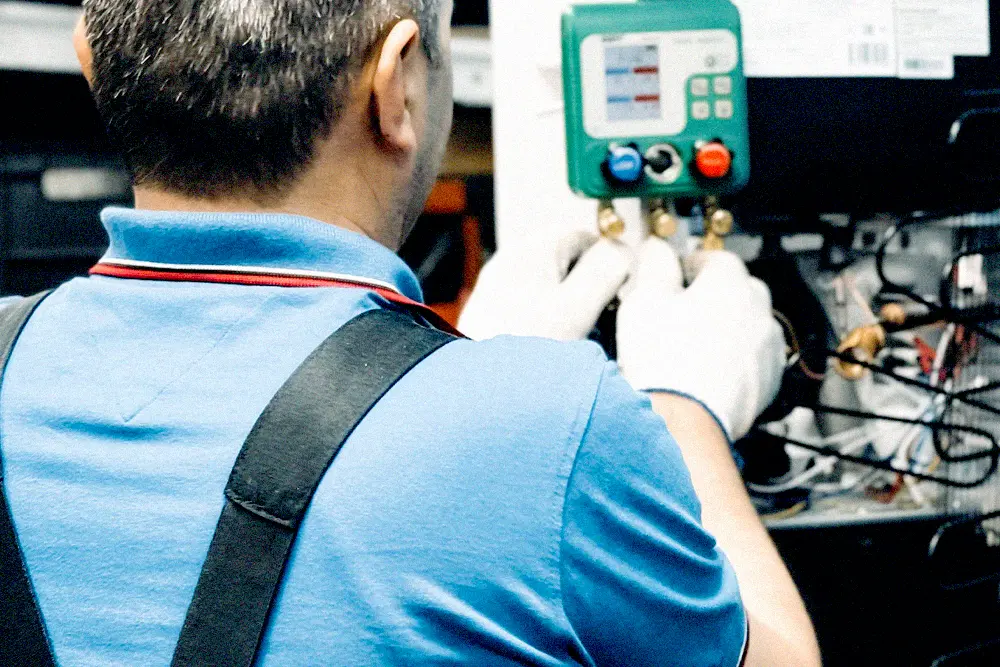
EPA Section 608 rules generally require certification for technicians performing work that could open the refrigerant circuit of stationary air-conditioning equipment. The EPA specifically identifies activities such as attaching service gauges and adding or removing refrigerant as work requiring appropriate certification.
Homeowners can safely check basic items such as:
- Thermostat settings
- Air-filter condition
- Blocked supply or return registers
- Debris around the outdoor equipment
- Visible ice on accessible tubing
- Unusual sounds or operating behavior
Leak diagnosis, refrigerant recovery, evacuation, charging, and sealed-system repairs should be left to a qualified HVAC technician with the appropriate certification.
How to Help the Refrigerant Charge Last
You do not maintain refrigerant by replacing it periodically. Instead, maintain the equipment and address developing problems promptly.
- Replace or clean air filters as recommended.
- Keep the outdoor coil clear of leaves, lint, and vegetation.
- Maintain adequate clearance around outdoor equipment.
- Schedule professional maintenance appropriate for the equipment and usage.
- Have unusual noises, icing, or declining cooling performance inspected.
- Ask why refrigerant is needed whenever a technician proposes adding it.
- Request leak diagnosis instead of relying on repeated top-offs.
- Keep service records showing repairs and the amount and type of refrigerant added.
- Protect indoor coils from corrosive chemicals and inappropriate cleaning products.
Good maintenance cannot prevent every leak, but it can identify airflow, corrosion, vibration, and performance problems before they become more serious.
Frequently Asked Questions
How often should an air conditioner need refrigerant?
A properly charged, leak-free air conditioner should not need refrigerant on a schedule. If refrigerant must be added, the technician should investigate whether the system has a leak or was previously charged incorrectly.
Can AC refrigerant last 20 years?
Yes. Refrigerant can remain usable for 20 years or longer when the system stays sealed and uncontaminated. The air-conditioning equipment may reach the end of its service life before the refrigerant chemically degrades.
Does Freon lose its cooling ability over time?
Not simply because it is old. Cooling performance can decline when the refrigerant charge is incorrect, the system has airflow problems, or the refrigerant has been contaminated.
Does a central AC naturally lose a little refrigerant every year?
A central air conditioner is designed as a closed system. A measurable reduction should not be dismissed as normal annual consumption. It indicates a leak, incorrect original charge, or previous service loss.
Does refrigerant expire in a cylinder?
Properly stored refrigerant in a sealed, undamaged cylinder may have an indefinite shelf life. Cylinder condition, labeling, contamination, storage history, and applicable inspection requirements must still be considered.
Can a technician mix new refrigerant with old refrigerant?
Only if both are positively identified as the same refrigerant and the recovered material is suitable for reuse under applicable procedures. Different refrigerant types should never be mixed.
Should I replace an old AC because it uses R-22?
Not solely because the existing refrigerant is old. Consider equipment condition, efficiency, leak location, repair cost, service history, and the cost of future repairs. A qualified technician can help compare a compliant repair with full system replacement.
AC refrigerant does not normally expire, wear out, or get consumed. In a clean, correctly charged, leak-free system, it can last as long as the air conditioner itself.
If a system is low, the important question is not “How old is the refrigerant?” It is “Why did the charge change?” The technician should diagnose the cause, repair the system when practical, and restore the exact refrigerant type and charge required by the equipment manufacturer.
For qualified technicians and eligible purchasers sourcing refrigerant for a properly diagnosed system, Freon Shop carries refrigerant categories used across residential, commercial, refrigeration, and automotive applications. Always confirm the equipment nameplate, manufacturer instructions, system compatibility, and applicable certification requirements before purchasing or charging refrigerant.