
If your air conditioner is blowing warm air, running longer than usual, or struggling to keep up on hot days, it is tempting to assume it simply needs “more Freon.” But a properly installed, sealed AC system does not use up refrigerant like fuel. If the charge is low, the most important question is usually: where did the refrigerant go?
For most central AC and heat-pump systems, the right answer is not “recharge or leak repair.” It is usually leak repair first, then a correctly measured recharge if needed. A qualified technician should confirm the diagnosis, locate a leak when one exists, repair it when practical, verify the repair, and charge the system according to the manufacturer’s specifications.
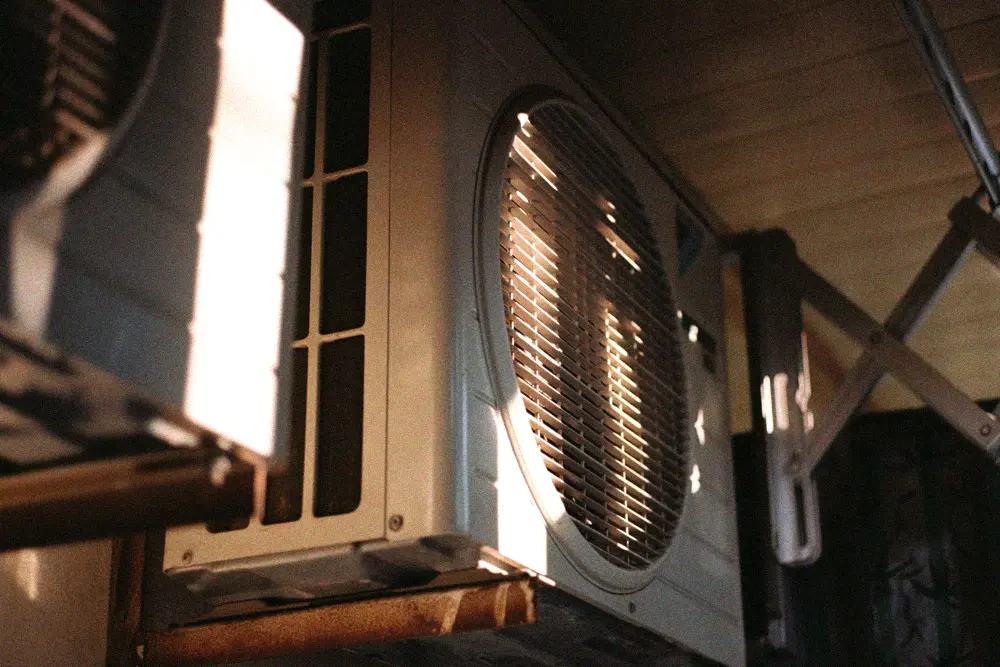
The short answer: refrigerant is not routine maintenance
Your AC circulates refrigerant in a closed loop. Under normal conditions, it should not need periodic refilling. A recharge may be part of a proper repair, but repeated “top-offs” can leave the underlying problem untouched.
The U.S. Environmental Protection Agency specifically advises homeowners with leaking AC equipment to ask the technician to locate and repair the leak rather than simply top off the system. Addressing the leak can reduce future service calls, refrigerant emissions, and avoidable operating costs. EPA homeowner guidance
That does not mean every low-charge symptom proves there is a refrigerant leak. Dirty filters, blocked coils, failing capacitors, thermostat problems, duct leaks, incorrect equipment sizing, and drainage issues can also cause poor cooling. The technician’s job is to separate symptoms from causes.
Signs your AC may be low on refrigerant
Low refrigerant can cause noticeable comfort and performance problems, but these signs are not a DIY diagnosis:
- Air from supply vents is warmer than expected.
- Your system runs for long periods without reaching the thermostat setting.
- The evaporator coil or refrigerant line develops ice or frost.
- You hear bubbling or hissing near refrigerant lines.
- Cooling performance has gradually declined.
- Your electricity use rises while comfort falls.
A dirty air filter can also freeze an evaporator coil, and a weak blower can mimic several low-charge symptoms. That is why an AC that is “not cooling” should receive a full diagnostic rather than an automatic recharge. The U.S. Department of Energy likewise notes that low or leaking refrigerant is one possible cause among several, and recommends a trained technician to repair the leak and recharge the system. DOE Home Cooling 101
Recharge vs. leak repair: what is the difference?
A recharge restores the amount of refrigerant in the system. Leak repair fixes the path that allowed refrigerant to escape. They solve different problems.
| Situation | What it may mean | Best next step |
|---|---|---|
| System was recently installed or repaired and charge is verified low | An installation or service-related charge issue may exist | Have a certified technician verify charge, airflow, and installation details. |
| System has needed refrigerant more than once | A leak is likely or has not been fully resolved | Request leak detection and a repair estimate before adding more refrigerant. |
| Warm air, ice, or long run times with no prior diagnosis | Could be refrigerant-related—or an airflow, coil, electrical, or controls issue | Schedule a complete diagnostic; do not assume a recharge is the cure. |
| Older R-22 system with a major or repeated leak | Repair economics may be less favorable, depending on the leak and equipment condition | Compare repair, continued service, retrofit feasibility, and replacement with a qualified contractor. |
Why “just add refrigerant” can cost more later
A recharge without correcting an active leak may restore cooling temporarily, but it does not make the system tight again. Refrigerant can continue to escape, bringing the same comfort problem back—often when the weather is hottest.
Repeated low-charge operation can also reduce efficiency and put extra strain on system components. More importantly, refrigerant must be handled responsibly. EPA rules prohibit intentionally venting refrigerants, including ozone-depleting refrigerants and their substitutes, during service, repair, or disposal. EPA refrigerant-management overview
For stationary residential AC equipment, refrigerant work that could compromise the refrigerant circuit—including connecting gauges, adding or removing refrigerant, or replacing refrigerant components—requires the appropriate EPA Section 608 certification. EPA certification requirements
What a proper leak diagnosis looks like
A trustworthy HVAC technician should start by checking the system as a whole. Depending on the equipment and symptoms, the diagnostic may include airflow checks, filter and coil inspection, electrical testing, thermostat verification, and refrigerant-side measurements.
If a refrigerant leak is suspected, the technician may use methods such as an electronic leak detector, bubble testing, ultraviolet dye where appropriate, ultrasonic testing, or other professional procedures. A pressure reading by itself does not identify the location of a leak.
The EPA distinguishes between methods that can indicate a possible issue and a true leak inspection that identifies where refrigerant is escaping. For larger covered equipment, EPA guidance describes leak detection methods such as bubble tests, gas-imaging cameras, ultrasonic tests, and properly maintained leak-detection devices. EPA technician Q&A
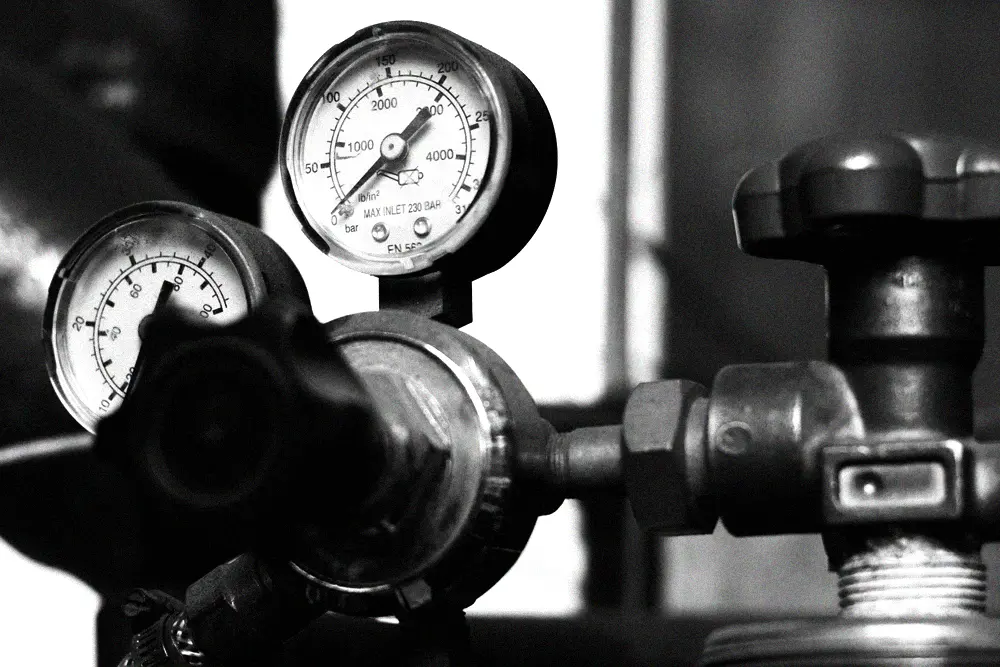
When a recharge can be appropriate
A recharge can be appropriate after the technician has determined why the charge is low and has made the necessary correction. Common examples include:
- A verified leak was repaired and the system must be brought back to its specified charge.
- A recent installation had a confirmed charge or commissioning issue.
- A component was replaced and the refrigerant circuit was properly recovered, evacuated, and recharged.
- A technician determines the system is undercharged after a complete diagnostic.
The correct charge is not guesswork. It depends on the equipment’s nameplate, manufacturer procedure, refrigerant type, line-set configuration, and operating conditions. Undercharging and overcharging can both hurt performance.
What about an older R-22 AC?
R-22 remains a major decision point for many homeowners. New R-22 is no longer manufactured or imported in the United States, but previously produced, reclaimed, or recycled R-22 may still be used to service existing equipment. EPA does not require homeowners to replace or convert an existing R-22 system solely because it uses R-22. EPA R-22 repair and purchasing guidance
However, an aging R-22 system with a large coil leak, repeated leaks, compressor trouble, or other major repairs may deserve a broader repair-versus-replacement discussion. The right choice depends on the equipment’s age, condition, repair scope, efficiency, availability of serviceable parts, and your long-term plans for the home.
Do not assume there is a universal “drop-in” refrigerant replacement for R-22. EPA states that there are no drop-in replacements for HCFC-22; a retrofit is system-specific and may require component changes. A qualified technician should recover the existing refrigerant and explain how a proposed conversion could affect performance and energy use. EPA consumer FAQ
Questions to ask before approving AC work
Use these questions to turn a vague “needs Freon” diagnosis into a useful service conversation:
- What did you find that points to low refrigerant?
- Did you check for a leak? If so, where is it?
- Can the leak be repaired, and how confident are you in the repair?
- Is the estimate for leak detection, repair, recovery, evacuation, and recharge itemized?
- What refrigerant is listed on my outdoor unit’s nameplate?
- Will the system be charged to the manufacturer’s specification after repair?
- If my system is older, what are the repair and replacement tradeoffs?
- Are your technicians EPA Section 608-certified for this work?
The refrigerant type is typically shown on the outdoor condenser’s nameplate. If it is missing or unreadable, check the owner’s manual or contact the manufacturer or servicing company. EPA guidance on identifying refrigerant
A practical decision guide
Choose diagnosis first if your AC is warm, icy, noisy, or running constantly. Those symptoms have multiple possible causes.
Choose leak repair plus recharge when a technician locates a repairable leak and the rest of the system is in good condition. This is usually the durable answer to low refrigerant.
Consider a repair-versus-replacement evaluation when the equipment is older, uses R-22, has a major coil or compressor issue, or has needed repeated refrigerant service. The lowest immediate invoice is not always the lowest long-term cost.
Frequently asked questions
Does an air conditioner naturally run out of Freon?
No. A sealed AC system does not consume refrigerant during ordinary operation. Low charge suggests a leak, an installation/service issue, or another problem that needs professional diagnosis.
Can I buy refrigerant and refill my home AC myself?
For stationary AC equipment, refrigerant sales and service are restricted. EPA Section 608 certification is required for refrigerant work and for purchasing refrigerant for covered stationary appliances unless the purchaser employs a certified technician. EPA refrigerant sales restriction
Is a refrigerant leak an emergency?
Turn the system off and seek prompt professional service if you see ice buildup, smell unusual odors, hear persistent hissing, or experience electrical issues. Many leaks are not immediate emergencies, but ignoring one can worsen comfort, efficiency, and repair costs.
Will a leak sealant fix my AC?
Do not add sealants or any unapproved substance without the equipment manufacturer’s guidance and a qualified technician’s assessment. They can complicate diagnostics, recovery, and future repairs.
If your AC is low on refrigerant, a recharge may be necessary—but it should usually be the final step of a proper repair, not the first one. Ask for a complete diagnosis, a leak check when indicated, and a clear explanation of the repair options before approving a recharge.
For certified HVAC professionals sourcing the correct refrigerant for a verified repair, Freon Shop carries a range of refrigerant categories for U.S. HVAC applications. Always match refrigerant to the system nameplate and manufacturer requirements; refrigerants are not interchangeable.