
HVAC technicians prefer factory-sealed refrigerant cylinders because unopened packaging provides a clearer chain of custody and less uncertainty about previous handling. An intact seal can indicate that the valve has not been accessed since the cylinder was filled and packaged.
That matters when a service company needs the correct refrigerant, in a clean container, with readable identification and no unexplained history.
However, a factory seal is only one part of product verification. It does not independently prove chemical purity, guarantee that a product is genuine, confirm equipment compatibility, or make a damaged cylinder safe. Technicians should still inspect the cylinder, packaging, label, valve, markings, supplier, and applicable documentation before use.
What Does “Factory-Sealed” Mean?
A factory-sealed refrigerant cylinder is filled, closed, and sealed as part of the original packaging process. Depending on the producer and cylinder design, visible protection may include:
- Heat-shrink material around the valve area
- A tamper-evident sleeve or band
- A sealed protective carton
- A security label, hologram, or authentication code
- A cap, plug, collar, or protected valve
- Manufacturer, batch, weight, and refrigerant identification
The exact design varies by producer. A missing feature is not automatically evidence of tampering unless that feature should be present on the specific product.
For example, Chemours advises refrigerant buyers to examine packaging for security features and authenticate applicable codes. Arkema’s anti-counterfeiting guidance similarly describes tamper-resistant heat shrink, authentication codes, holographic features, and QR-based verification on applicable Forane cylinders.
These are manufacturer-specific security programs. Technicians should compare a cylinder with information published by the actual producer instead of expecting every brand to use identical packaging.
Why an Intact Seal Matters to Technicians
1. It Reduces Uncertainty About Previous Access
Once a cylinder has been opened, the next user may not know how it was handled. Someone could have connected contaminated hoses, transferred refrigerant, left the valve insufficiently closed, or stored the cylinder under unsuitable conditions.
An intact original seal provides useful evidence that the valve has not been accessed after factory packaging. That makes the cylinder’s history easier to evaluate than an opened container obtained from an unknown source.
It is evidence—not an absolute guarantee. A counterfeit package can imitate a seal, and a cylinder may still be damaged during transportation.
2. It Supports Better Contamination Control
Refrigeration systems require clean, correctly identified refrigerant. Moisture, air, oil, dirt, rust, another refrigerant, or other foreign material can create service and performance problems.
AHRI Standard 700 establishes refrigerant purity specifications and associated test methods regardless of whether the refrigerant is new, reclaimed, or repackaged. The tested categories include composition and several types of contamination.
A factory seal does not replace AHRI 700 testing, but it reduces the number of post-filling access points that could introduce foreign material. Chemours also warns in its refrigerant packaging guidance that dirt, rust, leaking valves, and poorly prepared cylinders can negatively affect product quality.
3. It Creates a More Predictable Receiving Inspection
Technicians and warehouse personnel can build a consistent receiving procedure around new, factory-sealed cylinders.
They can compare:
- The seal with expected manufacturer packaging
- The refrigerant designation on the carton and cylinder
- The stated net weight
- The valve and fitting configuration
- The batch or lot information
- Hazard and handling labels
- DOT or UN cylinder markings, when applicable
- Authentication features supplied by the producer
- The cylinder’s physical condition
An opened cylinder with an unclear history requires more investigation. Depending on the circumstances, positive refrigerant identification or laboratory analysis may be needed before its contents should be considered suitable for service.
4. It Helps Protect Service Equipment
Contaminated or misidentified refrigerant can affect more than the customer’s system. It can also enter recovery machines, manifolds, hoses, recovery cylinders, identifiers, and other equipment.
Once cross-contamination occurs, it may disrupt later service jobs and complicate recovery or reclamation. Beginning each job with a correctly identified cylinder and dedicated, clean service equipment helps protect the technician’s entire workflow.
5. It Supports Customer Documentation
Commercial and facility customers may request purchase records, Safety Data Sheets, refrigerant identification, cylinder information, or service documentation.
A cylinder with intact packaging, readable labels, and traceable purchasing records makes it easier to document what was supplied. This is particularly useful for contractors managing multiple technicians, customer locations, or refrigerant types.
| Evaluation Factor | Factory-Sealed Cylinder | Opened Cylinder With Unknown History |
|---|---|---|
| Evidence of previous access | An intact original seal indicates no obvious post-packaging valve access. | Previous connections and transfers may be unknown. |
| Contamination uncertainty | Lower uncertainty when packaging, supplier, and markings are verified. | Air, moisture, oil, dirt, or mixed refrigerant may require investigation. |
| Identification | Original labels, batch information, and packaging should be present. | Handwritten, missing, damaged, or conflicting labels may be present. |
| Receiving decision | Can follow a standardized inspection and documentation process. | May need to be quarantined, identified, analyzed, returned, or reclaimed. |
| Suitability for service | Still requires compatibility, condition, authenticity, and documentation checks. | Should not be assumed suitable merely because the cylinder contains pressure. |
Source: Purity and contamination categories are based on AHRI Standard 700. Tamper-evident features vary by manufacturer and cylinder.
What a Factory Seal Does Not Prove
A Seal Does Not Automatically Prove Authenticity
A professional-looking cylinder can still be counterfeit. Labels, cartons, heat-shrink material, and even security graphics can be imitated.
Refrigerant manufacturers recommend purchasing from reputable sources and verifying brand-specific authentication features. Misspellings, inconsistent fonts, missing information, unusual valves, altered markings, damaged packaging, or a price far outside normal market conditions should receive additional scrutiny.
A Seal Is Not a Laboratory Purity Certificate
The seal indicates the condition of the package. It does not perform chemical analysis.
Gas chromatography and other prescribed test methods can identify refrigerant composition and certain impurities. AHRI’s Refrigerant Testing Laboratory program identifies test categories including water, high-boiling residue, noncondensable gases, and volatile impurities such as other refrigerants.
Factory-Sealed Does Not Necessarily Mean Virgin
“Factory-sealed” describes packaging condition. “Virgin,” “new,” “recovered,” “recycled,” and “reclaimed” describe the refrigerant’s origin or processing history.
Reclaimed refrigerant may be supplied in a properly labeled, sealed container after being reprocessed and tested. According to AHRI’s equipment-owner guidance, reclaimed refrigerant is reprocessed and tested to meet AHRI Standard 700 purity specifications.
EPA rules also require an applicable certification label on containers filled with reclaimed HFCs beginning January 1, 2026. The EPA’s current HFC phasedown FAQ explains the reclaimed-HFC labeling standard and its limit on virgin HFC content.
Buyers should therefore read the product description and container label instead of assuming that every sealed cylinder contains virgin refrigerant.
A Seal Does Not Establish Equipment Compatibility
An unopened cylinder of the wrong refrigerant is still the wrong refrigerant.
Before charging, verify the refrigerant specified on the equipment nameplate and in the manufacturer’s service documentation. R-22, R-410A, R-407C, R-32, R-454B, and other refrigerants are not freely interchangeable.
Different refrigerants must not be mixed. A retrofit or conversion requires equipment-specific technical guidance, approved components and procedures, correct lubricant evaluation, new labeling, and qualified professional work.
Inspect the Entire Cylinder, Not Just the Seal
A technician should stop and investigate when a new cylinder arrives with a broken seal, evidence of leakage, a bent valve, severe corrosion, a damaged collar, unreadable markings, inconsistent product information, or packaging that differs unexpectedly from manufacturer examples.
The cylinder itself is a pressure container. In January 2025, the Pipeline and Hazardous Materials Safety Administration warned HVAC personnel about unauthorized cylinders sold online that lacked the required DOT specification or UN-standard certification markings.
Factory sealing cannot correct an unauthorized, damaged, or unsuitable cylinder.
Safe Storage Still Matters After Delivery
| Inspection Point | What to Confirm | Warning Signs |
|---|---|---|
| Seal and packaging | The expected seal is intact and the carton has no unexplained damage. | Cut, loose, replaced, missing, or visibly altered seal |
| Product identification | Cylinder and carton show the same refrigerant and net weight. | Conflicting, missing, handwritten, or poorly printed information |
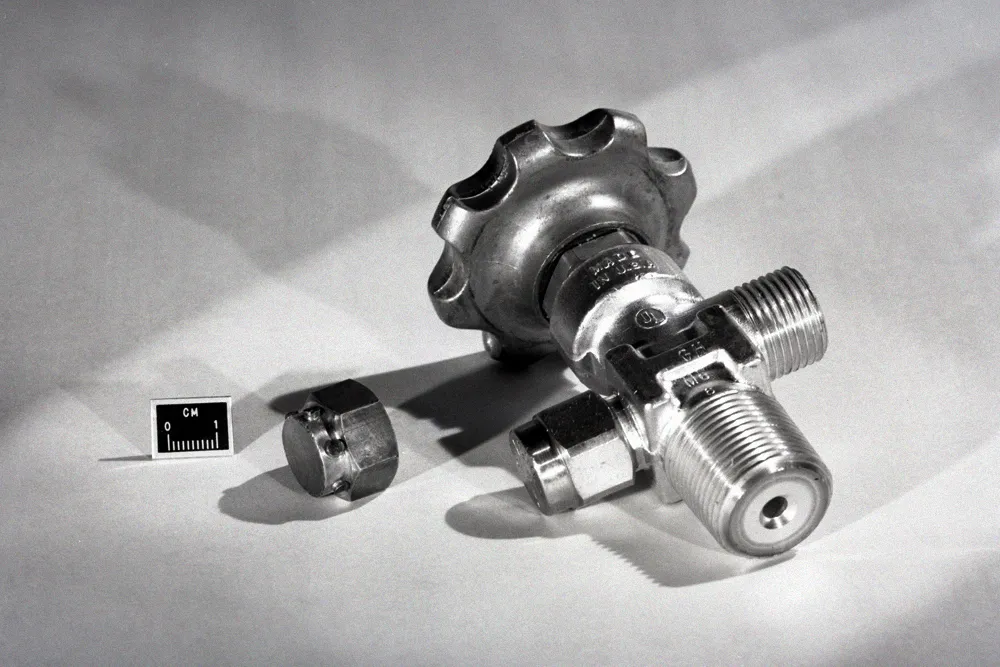
| Valve and outlet | Components appear straight, clean, closed, and undamaged. | Bent valve, residue, corrosion, impact marks, or suspected leakage |
| Cylinder body | No serious dents, swelling, deep rust, heat damage, or structural defects are visible. | Bulging, severe denting, deep corrosion, fire exposure, or unauthorized repair |
| Markings and documents | Required markings, product label, SDS, and purchase record are available. | Missing certification markings or unverifiable product origin |
| Supplier | The seller has identifiable contact information and provides proper transaction records. | Anonymous seller, cash-only transaction, or no documentation |
Source: Cylinder-marking concerns are based on the PHMSA unsafe-cylinder advisory. Always follow the cylinder manufacturer’s instructions and applicable hazardous-material regulations.
Factory sealing does not protect a cylinder from careless storage.
Keep cylinders upright and secured in an appropriate dry, ventilated location. Protect them from physical damage, excessive heat, direct sunlight, unauthorized access, and incompatible materials. Keep valves closed when cylinders are not connected for use, and install protective caps when the cylinder is designed to accept them.
OSHA’s compressed-gas guidance recommends upright, secured storage, dry ventilation, closed valves, and protective caps during transportation. Technicians should also follow the refrigerant manufacturer’s SDS, cylinder instructions, local fire codes, and transportation requirements.
If a cylinder arrives with suspected leakage or serious damage, do not simply remove the seal and test it indoors. Isolate the area as appropriate, avoid ignition sources, consult the SDS, and contact the supplier or emergency personnel according to the circumstances.
Why Purchasing Source Matters as Much as the Seal
A factory seal is most meaningful when it is combined with a trustworthy supply chain.
Before purchasing, confirm:
- The seller’s identity and contact information.
- The exact refrigerant and required cylinder size.
- Whether the product is new, reclaimed, or otherwise described.
- Whether applicable technical and safety documentation is available.
- Whether the buyer meets EPA purchasing requirements.
- What procedure applies if the shipment arrives damaged.
- Whether the manufacturer provides an authentication method.
The EPA’s refrigerant sales restriction generally requires Section 608 certification to purchase refrigerant intended for stationary refrigeration and air-conditioning equipment, subject to the rule’s specific purchaser categories and exceptions.
Freon Shop supplies brand-new, factory-sealed refrigerants for eligible purchasers. After confirming the equipment’s exact refrigerant requirement, technicians can review the available factory-sealed refrigerant cylinders. Product selection must always be based on the equipment nameplate, manufacturer documentation, applicable certification requirements, and safe handling procedures.
Frequently Asked Questions
Does a factory seal guarantee refrigerant purity?
No. An intact seal provides evidence that the cylinder has not been opened after factory packaging, but purity is verified through specifications, quality controls, and appropriate testing—not through the external seal alone.
Can a sealed cylinder still be counterfeit?
Yes. Counterfeiters may imitate packaging and seals. Verify the seller, manufacturer, labels, cylinder markings, authentication features, and documentation.
Should I accept a cylinder with a broken seal?
Do not assume it is acceptable. Document the condition, separate it from usable inventory, and contact the supplier before connecting or opening it further. Follow the applicable SDS and safety procedure if leakage or damage is suspected.
Does factory-sealed mean the refrigerant is virgin?
Not necessarily. Factory-sealed describes the packaging condition. Properly reclaimed refrigerant may also be sold in a sealed and correctly labeled container.
Can refrigerant be stored after the factory seal is opened?
A partially used cylinder may remain usable when it is positively identified, properly closed, safely stored, protected from contamination, and within all applicable cylinder requirements. Label and track the cylinder according to company procedures.
Can technicians identify refrigerant from pressure alone?
Static pressure can sometimes identify inconsistencies, but it cannot conclusively establish purity or distinguish every possible mixture. An unknown cylinder may require a refrigerant identifier or laboratory analysis.
Is the cylinder color enough to identify the refrigerant?
No. Always rely on the cylinder label, refrigerant designation, manufacturer information, and applicable identification procedures—not color alone.
What should be checked immediately before charging?
Confirm the system refrigerant, cylinder label, valve condition, hose cleanliness, charging method, required charge, manufacturer instructions, and technician authorization. Never mix different refrigerants or use an unapproved substitute.
Conclusion
HVAC technicians prefer factory-sealed refrigerant cylinders because they provide a clearer starting point: no obvious previous valve access, more consistent packaging, better traceability, and less uncertainty about contamination or prior handling.
The seal should never be treated as the only quality or safety check. A professional receiving inspection also verifies the seller, refrigerant designation, product description, labels, cylinder markings, valve, structural condition, documentation, and equipment compatibility.
When those checks support one another, a factory-sealed cylinder helps technicians protect their service equipment, customer systems, documentation process, and professional reputation.